Pyramids First or Grand Egyptian Museum First?
Pyramids first is the default: outdoor site in the cool morning, museum galleries in the hot afternoon.
Booking choice: Private Cairo/Giza hotel transfers; 6–8 hours. Select a guide package. Museum and plateau tickets are included only with ticket-inclusive options; pyramid interiors cost extra. Check Private Pyramids And GEM Day Dates
Your next choice is how to visit: Coordinate museum timing and outdoor Giza sightseeing around heat and a fixed entry slot.
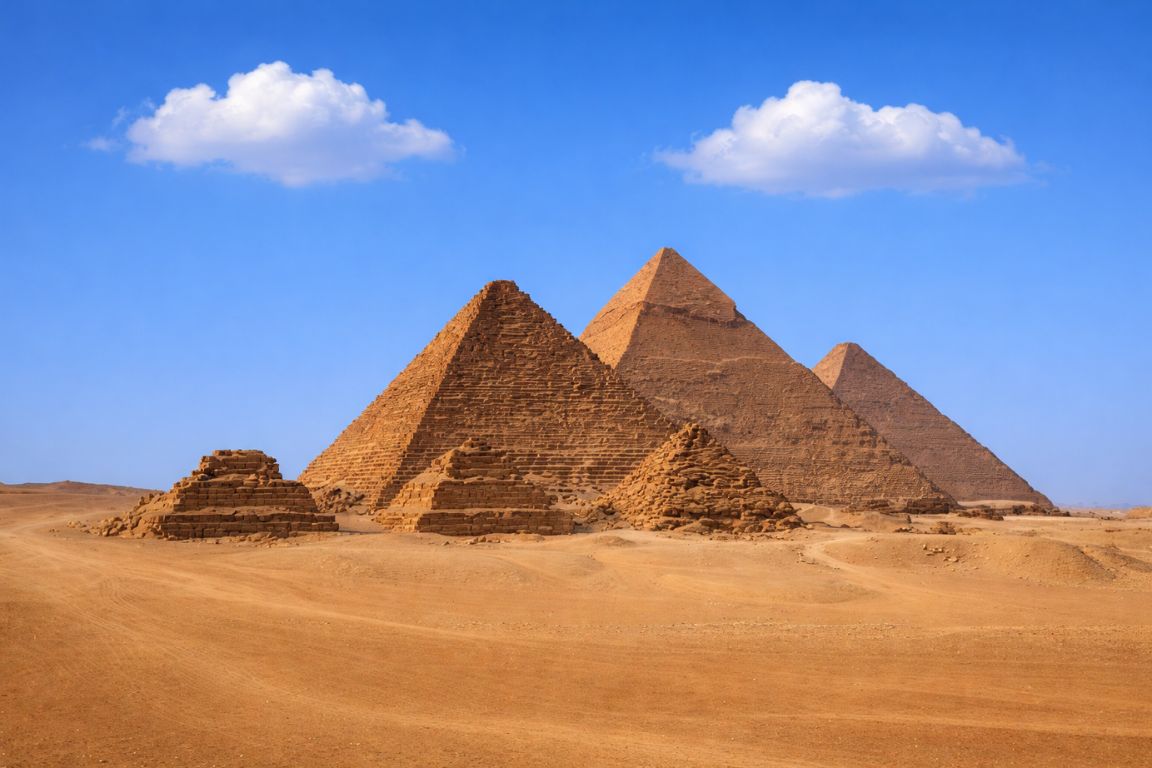
When people ask which to do first, they usually expect a coin-flip answer. It is more decided than that. The order that works for most visitors follows the weather and the crowds, with a couple of clear exceptions worth knowing before you commit. Here is how to choose, and when to break the rule.
Pyramids first or Grand Egyptian Museum first?
For most visitors, do the pyramids first and the Grand Egyptian Museum second. The plateau is an open-air site with no shade, so it belongs in the cooler morning, while the museum's climate-controlled galleries are the right place to be in the afternoon heat. Starting early at the pyramids also beats the day's peak crowds.
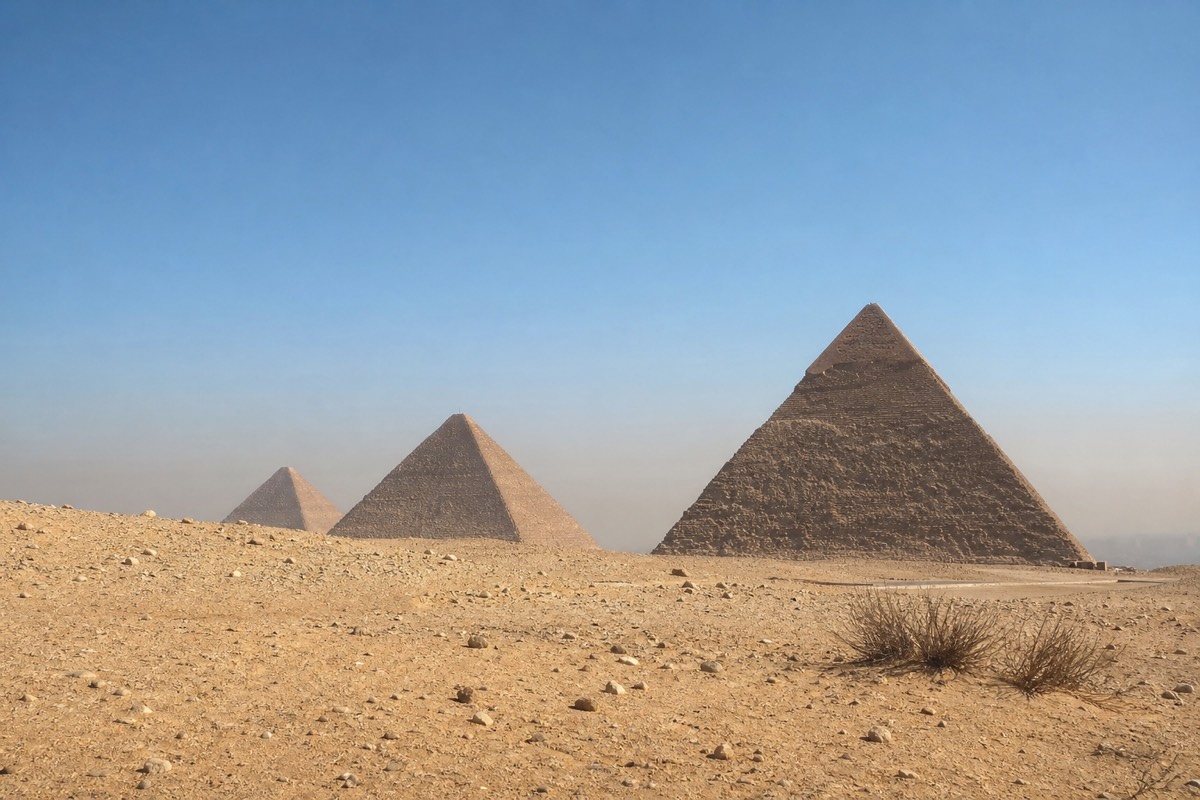
The logic is simple once you picture the day. Morning on the plateau means better light, thinner crowds and manageable temperatures. Afternoon in the galleries means cool air exactly when your legs are tired and the desert is at its harshest. That single decision shapes how the whole day feels.
Crowds reinforce it. Density on the plateau builds through late morning and peaks in the early afternoon, worst on the Egyptian weekend of Friday and Saturday. The museum's timed-entry system spreads visitors out, but the galleries still fill most between late morning and mid-afternoon. Getting your outdoor time in early keeps you ahead of both.
We compare the two experiences in full in our piece on GEM versus the Pyramids, but the short version is that the order below fits almost everyone.
Why start at the pyramids in the morning?
Start at the pyramids in the morning because the site is entirely outdoors with full sun and no relief until you reach the museum. Cooler early hours make the walking easier, the photography better, and the interior-pyramid queues shorter. Peak density on the plateau builds through late morning, so an early arrival is the single biggest comfort upgrade.
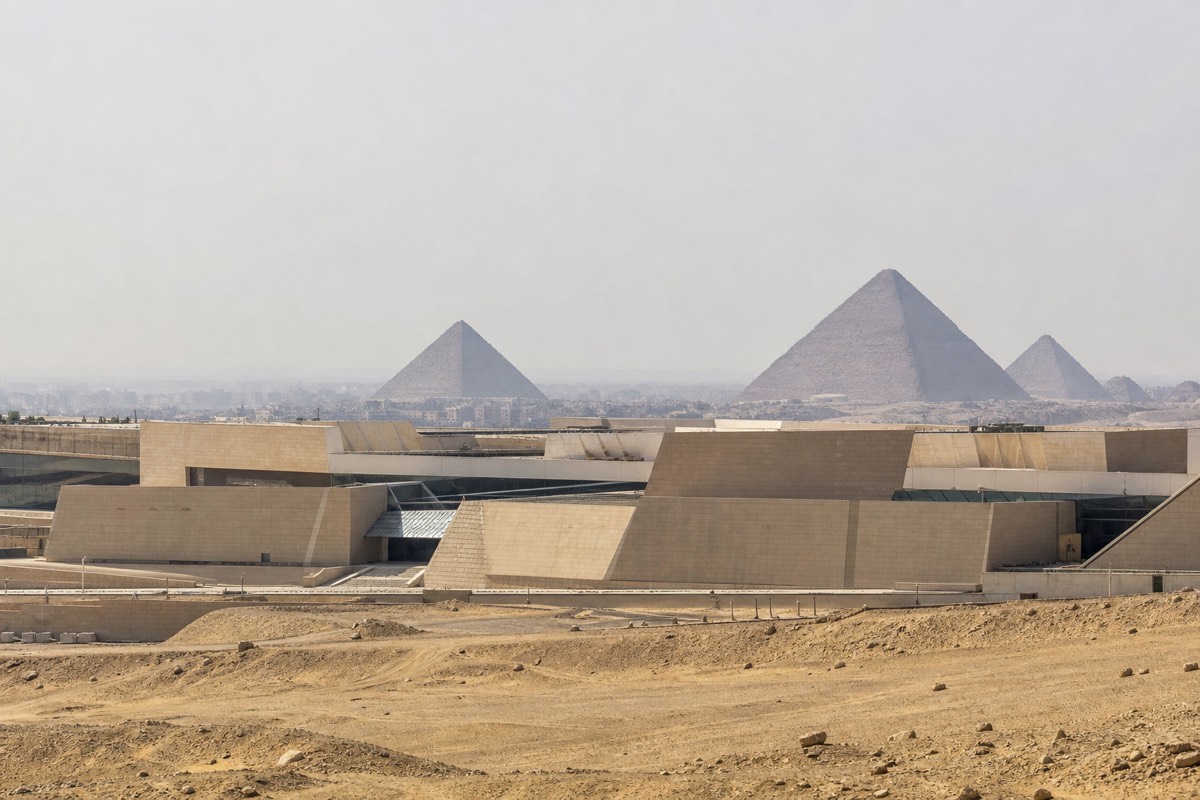
If going inside a pyramid is on your list, the morning matters even more, since interior access is capped daily and can sell out by mid-morning. Cover the exterior, the Sphinx and a viewpoint first, then move on before the sun and the tour buses peak. The best entry slot at the museum is the earliest one, but on a combined day you are trading that for the plateau's cool hours, which is the right call for most people.
The crowd data backs this up. Peak density across the plateau and the galleries falls between roughly 11 AM and 2 PM, and Friday and Saturday are the busiest days of the week. Getting your outdoor time done before that window, then entering the museum for a 1 PM slot, keeps you a step ahead of the heaviest crowds at both. It is the single sequencing choice that most improves a first visit.
There is a comfort argument too. By early afternoon your legs have already done the hard work on sand and uneven stone. Walking cool, flat gallery floors at that point feels like relief, whereas facing the open plateau after a long museum morning feels like a slog. The order rewards you exactly when your energy is fading.
When does the museum-first order make sense?
Museum first makes sense when your booked GEM slot is early or the collection is your main priority. Extended museum hours can instead support a longer afternoon visit after the pyramids. A serious museum visitor can start on the plateau, spend a long afternoon and evening inside, and enjoy thinner late crowds in the Tutankhamun halls. It also suits anyone whose timed museum slot only works earlier in the day.
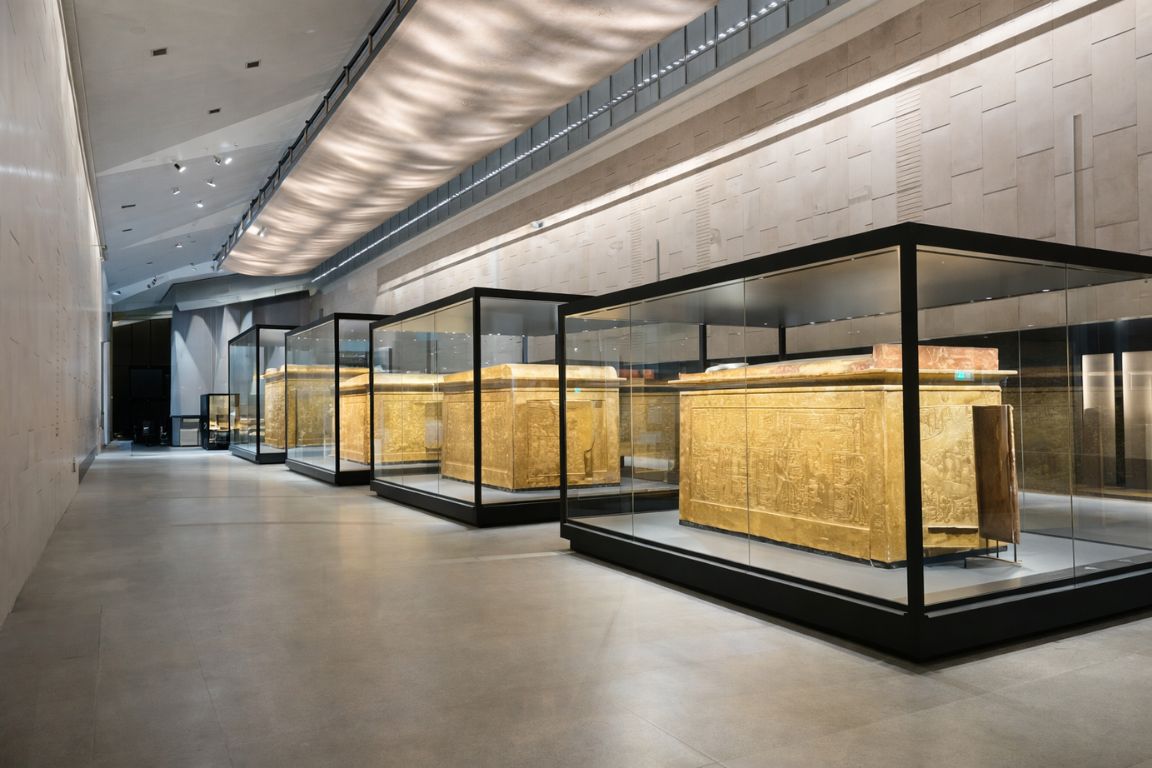
Those two days are genuinely different. Most days the galleries close at 6 PM with last entry at 5, but on Wednesday and Saturday they stay open until 9 PM with last entry at 8, and extra entry slots open at 3 PM and 5 PM. That is what makes an evening at the museum possible. Cover the pyramids in the morning, take a long lunch, and give yourself the late galleries when the day-trip groups have gone.
| Your situation | Suggested order |
|---|---|
| First-time visitor, standard day | Pyramids first, then museum |
| Going inside a pyramid | Pyramids first, arrive at opening |
| Wednesday or Saturday, museum focus | Long afternoon and evening at the museum |
| Fixed early museum slot | Museum first, pyramids after |
How does the weather change the plan?
Heat is the deciding factor. From roughly June through August the plateau can pass 40 degrees Celsius with no shade, which makes an early pyramid start and an afternoon retreat into the cool galleries close to essential. In cooler months the order is more flexible, but morning light and lighter crowds still favour the pyramids first.
The museum's climate control is the quiet advantage here. While the plateau bakes, the galleries hold a steady, comfortable temperature all year, which is exactly why the afternoon slot inside feels like relief rather than another endurance test. In winter the calculation softens, but even then the pyramids photograph best in early light and fill with tour groups by late morning, so the same order tends to win.
Ramadan shifts things again. During Ramadan the galleries close earlier, around 4 PM with last entry at 3, so the long-evening museum plan does not apply and an early start matters more. Outside Ramadan, the summer months from roughly May through September are when the heat argument is strongest, and the cooler October-to-April window gives you the most freedom to run the day either way.
Whichever way you run it, coordinate the museum slot and the journey between sites. With a private itinerary, discuss the order before booking rather than assuming it can be changed on the day.