Grand Egyptian Museum Opening Hours (2026)
The complex opens at 8:30 and galleries at 9:00, with extended evenings on Wednesday and Saturday. Here are the full hours, the timed-entry slots and the best time to arrive.
Booking choice: Private English-speaking Egyptologist and Cairo/Giza hotel transfers. Admission, lunch and tips are extra. Approximately 3.5 hours. Check Private GEM Egyptologist Visit Dates
Your next choice is how to visit: Book a museum format compatible with the offered date and available time without implying schedule-only data confirms availability.
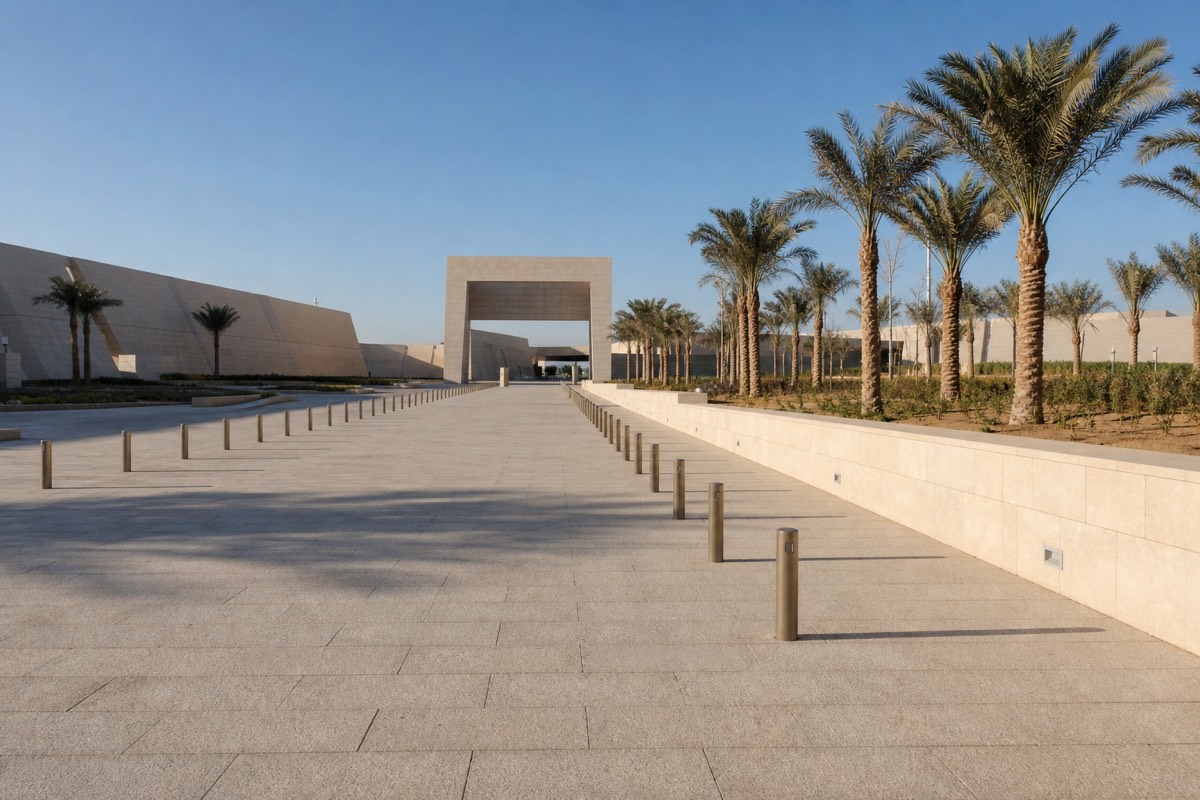
The museum runs on a timed-entry system, so its hours are not just a matter of when the doors open and close. They shape which slot you book, how long you get inside, and how crowded the galleries feel when you arrive. Below are the full hours by day, the entry slots, last-entry times, the Ramadan and holiday schedule, and the arrival and crowd timing that turns a good visit into a smooth one. Every time here reflects the schedule verified in early 2026, and the live position always sits at visit-gem.com, so confirm there before you travel.
What are the Grand Egyptian Museum's opening hours in 2026?
The complex, meaning the gardens, cafes and exterior, opens at 8:30 daily, and the exhibition galleries open at 9:00. On Sunday, Monday, Tuesday and Thursday the galleries close at 6:00 pm. On Wednesday and Saturday they stay open late until 9:00 pm. During Ramadan the galleries close earlier, at 4:00 pm on every day.
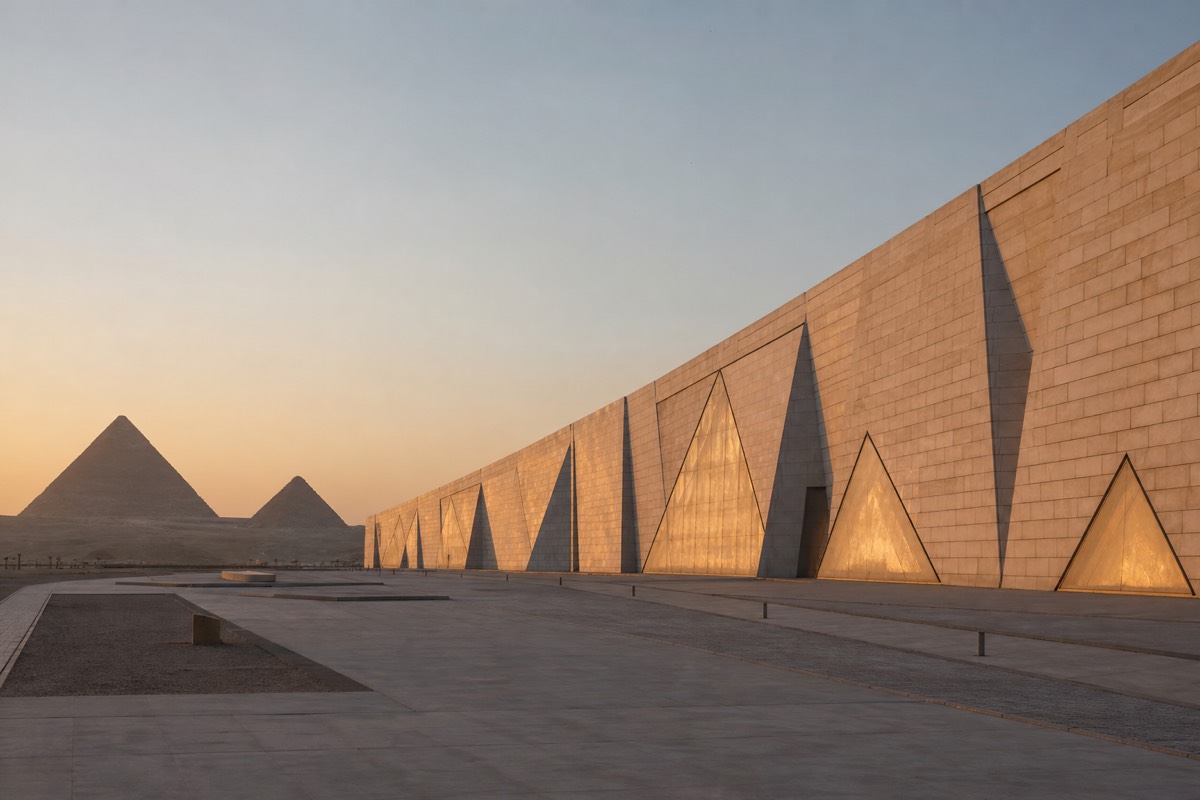
The important distinction is between the complex and the galleries. You can be on site, in the gardens or at a cafe, from 8:30, but the exhibition halls themselves start at 9:00. That half-hour gap is useful: it lets you clear security, get your bearings and find the Hanging Obelisk on the plaza before the galleries even open, so you are moving the moment they do.
Closing time depends on the day of the week. Most days run to a 6:00 pm gallery close, but the two extended days, Wednesday and Saturday, push that to 9:00 pm and change the character of an evening visit entirely. Ramadan compresses everything, with a 4:00 pm close across the board. Because these times can shift with holidays and special events, treat the table as your planning baseline and confirm the current schedule at visit-gem.com when you book.
It helps to remember why the hours are structured this way. The museum opened fully in November 2025 after roughly two decades of construction, and it draws the kind of numbers that make an orderly flow necessary rather than optional. The complex-then-galleries opening, the timed slots and the fixed last-entry all serve the same goal: keeping a very large building from overloading at any one moment. Once you see the schedule as a crowd-management system rather than a simple open-and-shut, the logic of every rule below falls into place.
| Day | Complex opens | Galleries open | Galleries close |
|---|---|---|---|
| Sunday, Monday, Tuesday, Thursday | 8:30 AM | 9:00 AM | 6:00 PM |
| Wednesday and Saturday | 8:30 AM | 9:00 AM | 9:00 PM |
| Ramadan (all days) | 8:30 AM | 9:00 AM | 4:00 PM |
What are the timed-entry slots?
Entry runs on fixed timed slots rather than a single opening rush. The standard slots are 8:30, 11:00 and 1:00. On the extended-hours days, Wednesday and Saturday, two later slots open up at 3:00 and 5:00. You choose your slot when you book online, and the ticket is tied to that date and time, so the choice is worth thinking through.
Timed entry exists because of demand. The museum saw peak days of around 27,000 visitors against a recommended cap near 20,000, and the slot system is how it keeps the galleries workable. Each slot releases a batch of visitors rather than letting everyone in at once, which spreads the load across the day.
For most visitors the earliest slot is the prize. The 8:30 slot puts you into the galleries close to opening, ahead of the tour-group wave, with the quietest rooms and the best light. The later standard slots, 11:00 and 1:00, land you in busier conditions. The two extra evening slots on Wednesday and Saturday, 3:00 and 5:00, are the ones to know about if you want a calmer, later visit, though a 5:00 arrival on a standard day would leave you almost no time, which is where last-entry timing comes in.
A common question is how strict the slot really is. Treat it as a window for entering, not a countdown once you are inside: your slot governs when you may pass the gate, and after that you are free to stay until the galleries close. That is why an early slot is so valuable, it lets you in when the building is calmest and still leaves the whole day ahead of you. It also means there is no rush to race through, only a reason to arrive on time so you are not eating into the window standing in a queue.
Because the ticket is tied to a specific date and time and is non-refundable, non-transferable and cannot be changed after purchase, the slot you choose is a firm commitment rather than a loose preference. Pick it deliberately against your travel day, your arrival logistics and the crowd pattern, not as an afterthought at checkout. Getting the slot right is the one part of the visit you settle before you leave home, and it shapes everything that follows.
| Slot | Available | Character |
|---|---|---|
| 8:30 AM | Every day | Quietest and best light; the slot to aim for |
| 11:00 AM | Every day | Busier as tour groups arrive |
| 1:00 PM | Every day | Into the peak crowd window |
| 3:00 PM | Wed and Sat only | Extended-hours afternoon |
| 5:00 PM | Wed and Sat only | Evening visit with real time before the late close |
Slots are booked at visit-gem.com and there are no sales at the gate, so the choice is made before you arrive. If you would rather have the slot secured and the transport arranged in one step, our team offers a visit with hotel pickup.
When is the last entry?
Last ticket entry is 5:00 pm on standard days, when the galleries close at 6:00, and 8:00 pm on the extended Wednesday and Saturday, when they close at 9:00. During Ramadan the last entry is 3:00 pm ahead of the 4:00 close. In every case last entry falls one hour before closing, so a late arrival buys you only that final hour inside.
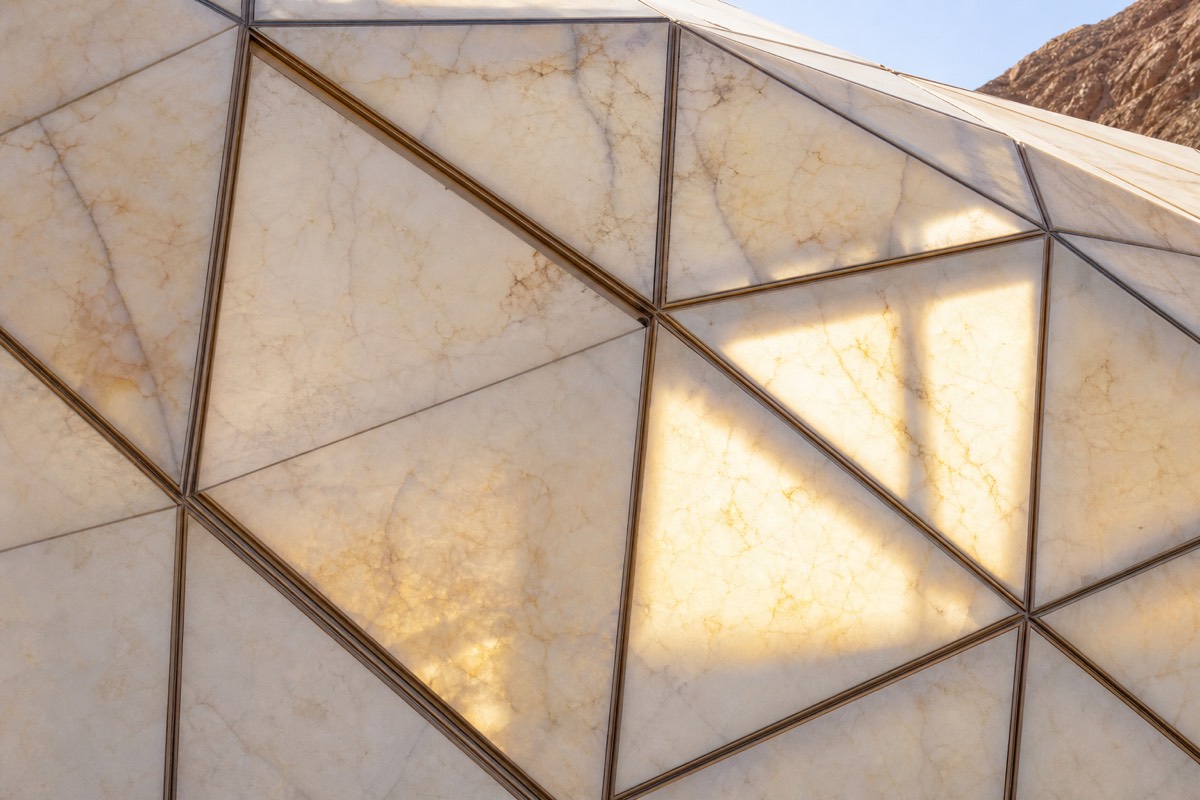
The one-hour rule is the thing to understand. On a normal day, booking the 5:00 pm entry means the galleries shut at 6:00, giving you a single hour in a building that deserves several. That is a preview, not a visit. The late slots make sense only on the extended days: an 8:00 pm last entry on Wednesday or Saturday still leaves an hour, but because those days run to 9:00, an arrival earlier in the afternoon or the 5:00 evening slot gives you a genuine stretch of time.
Plan backward from the close, not forward from your arrival. If you want three or four hours inside on a standard day, you need to enter by early afternoon at the latest. If your schedule only frees up in the evening, book a Wednesday or Saturday so the extended hours give you room to breathe.
The recommended visit lengths make this concrete. The headline stops are a three-to-four-hour half-day, a proper first visit is four to six hours, and enthusiasts fill a full day. Hold those against the closing times and the booking decision writes itself. A 1:00 pm slot on a standard day leaves five hours to a 6:00 close, comfortable for a full first visit. A 1:00 pm slot works even better on an extended day, with eight hours to play with. But a late-afternoon arrival on a standard day boxes you into that final hour, which is why the evening slots exist only on the two extended days in the first place.
There is a quieter benefit to entering earlier than last call, too. The last hour before any close is when staff begin gently steering visitors toward the exits and some sections wind down first, so an entry timed to the very end of the day can feel clipped even within its one hour. Give yourself margin, and the galleries stay fully open around you rather than closing at your heels.
| Day type | Galleries close | Last entry | Time from last entry |
|---|---|---|---|
| Standard (Sun, Mon, Tue, Thu) | 6:00 PM | 5:00 PM | About one hour |
| Extended (Wed and Sat) | 9:00 PM | 8:00 PM | About one hour |
| Ramadan (all days) | 4:00 PM | 3:00 PM | About one hour |
What are the hours during Ramadan and holidays?
During Ramadan the museum runs shortened hours on every day: the complex still opens at 8:30 and galleries at 9:00, but the galleries close early at 4:00 pm with last entry at 3:00. Public holidays and special state events can also alter the schedule at short notice, so the fixed rule is to confirm the day's hours at visit-gem.com before you set out.
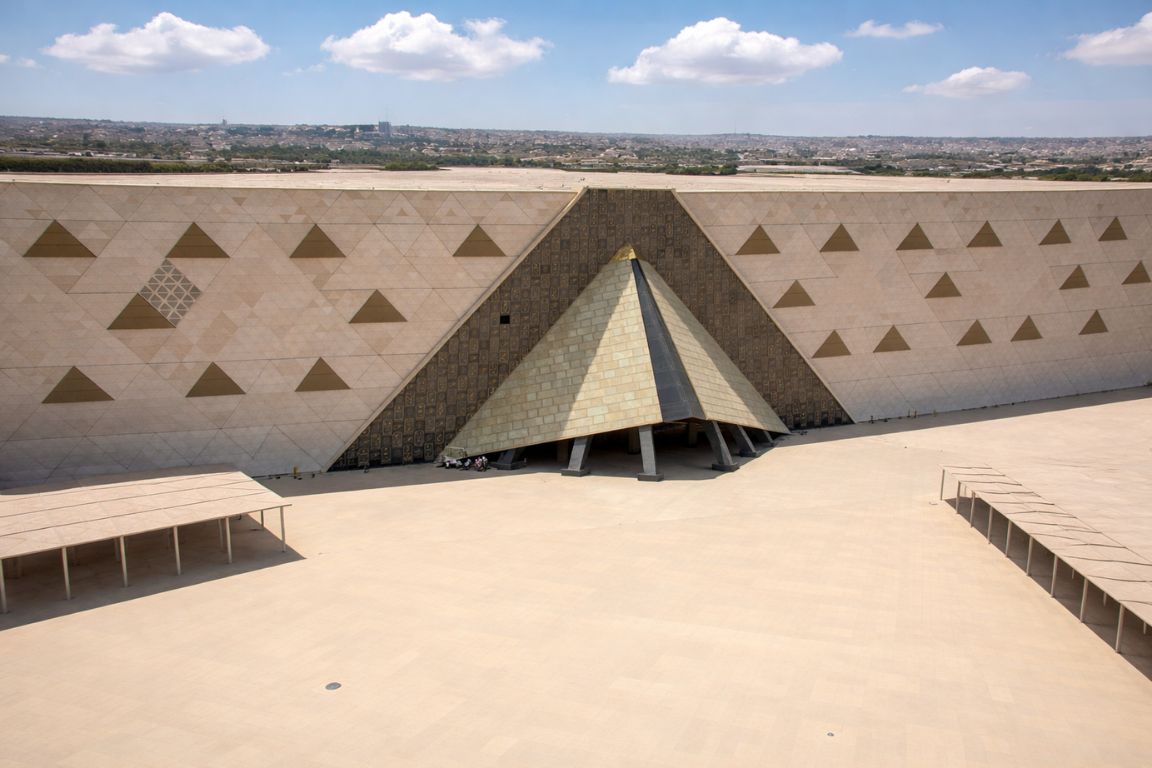
Ramadan compresses the visiting day considerably. With a 4:00 pm close, the useful hours shrink, and the crowd inside feels heavier relative to the time available. The play during Ramadan is simple: arrive right at the 8:30 complex opening, be ready to enter the galleries at 9:00, go straight to the headline stops, and plan to finish by early afternoon. Because Ramadan shifts on the lunar calendar each year, check the dates against your trip.
Holidays are less predictable. National holidays, occasional state functions and the odd closure for events can move the hours or affect access on a given day, and these are exactly the things that do not appear far in advance. This is where booking through the official channel pays off, since your slot is tied to a confirmed date. If a firm plan matters to you, a guided day such as private Pyramids and GEM tour (choose your inclusions) also tracks the current schedule for you.
The practical takeaway for any period outside the standard week is to verify twice: once when you book, and again the day or two before you travel. Hours during Ramadan follow the shortened pattern reliably, but the exact dates of Ramadan move each year with the lunar calendar, so a spring trip one year and the next may not line up the same way. State events are rarer still and tend to surface only shortly before, which is precisely why a quick check close to your visit is worth the minute it costs. None of this should deter an off-season or holiday visit, it simply rewards a confirmed schedule over an assumed one.
| Period | Galleries open | Galleries close | Note |
|---|---|---|---|
| Ramadan (all days) | 9:00 AM | 4:00 PM | Last entry 3:00 PM; arrive early |
| Public holidays | Varies | Varies | Confirm the day's hours before travelling |
| State events | May affect access | May affect access | Occasional short-notice changes |
| Standard year | 9:00 AM | 6:00 PM / 9:00 PM Wed and Sat | The regular baseline |
What time should you arrive for your slot?
Aim to reach the complex about 30 to 45 minutes before your slot begins. Security screening runs to airport standards, the approach from the gate across the plaza is long, and the timed ticket rewards visitors who are ready to move when the galleries open. Arriving early also lets you photograph the exterior and the Hanging Obelisk before your entry window starts.
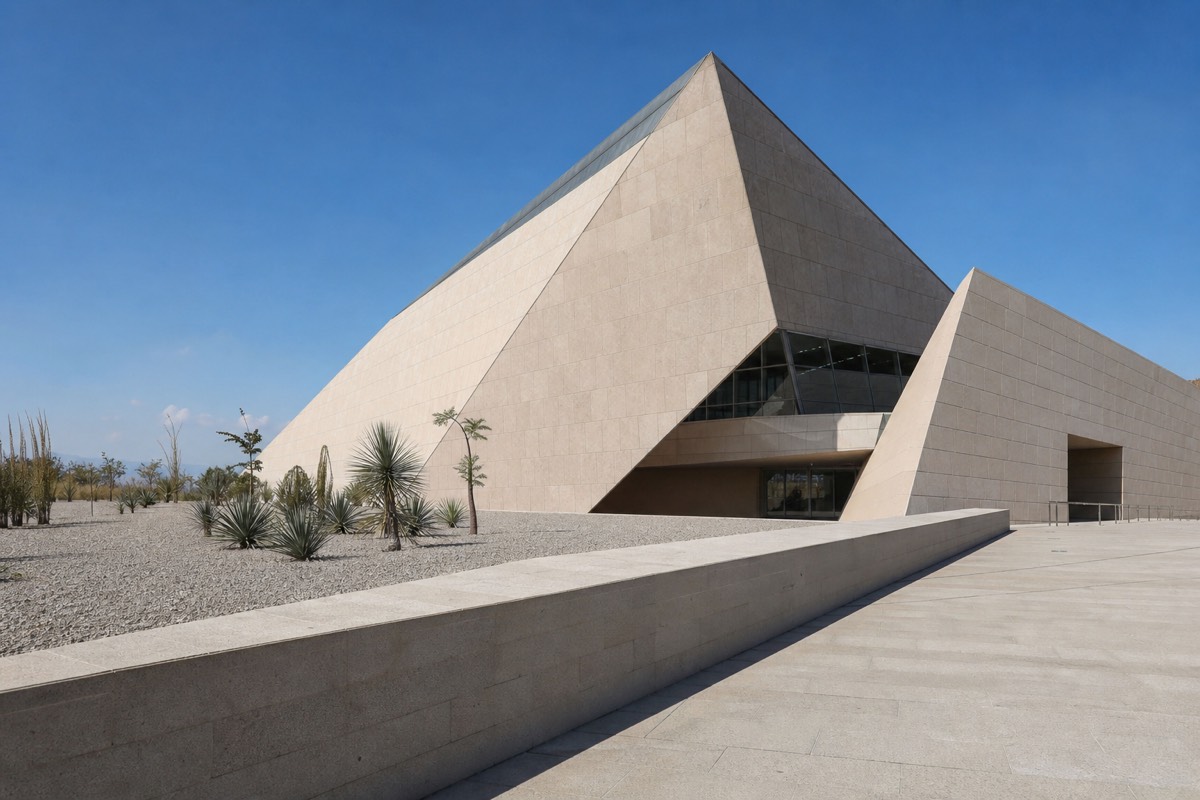
The gap between arriving on site and actually standing in a gallery is bigger than most people expect. You clear a security check, you cross a monumental plaza that is a genuine walk rather than a few steps, and only then do you reach the galleries. Turning up exactly at your slot time means spending the first part of it in the queue and on the approach, which eats into a window you paid for.
Add your travel time to that on-site buffer and plan from the earlier of the two figures. A 30-to-45-minute drive from central Cairo, or about an hour from the airport, sits in front of the 30-to-45-minute on-site allowance, so an 8:30 slot really means leaving your hotel well before 8:00. It sounds early, and it is, but that is exactly the trade that buys the quietest galleries of the day. The alternative, a relaxed departure and a rushed entry, spends the best hour of the visit in a car and a queue.
For the 8:30 slot in particular, this early buffer is the whole game. Get to the complex when it opens at 8:30, use the moments before the 9:00 gallery opening to orient yourself, and you are among the first into the Tutankhamun galleries when they are at their quietest. Factor your journey in too: from central Cairo that is 30 to 45 minutes of driving, and from the airport around an hour, as covered in our guide to getting to the museum. And since there are no tickets sold at the gate, book your slot before you go, a point we spell out in our note on buying tickets at the door.
| Your slot | Aim to arrive on site | Why |
|---|---|---|
| 8:30 AM | By 8:30, at complex opening | First into quiet galleries at 9:00 |
| 11:00 AM | Around 10:15 to 10:30 | Clear security and the plaza before the window |
| 1:00 PM | Around 12:15 to 12:30 | Beat the lunchtime cafe congestion inside |
| Evening (Wed / Sat) | 30 to 45 min ahead | Ample time before the 9:00 close |
When is the museum busiest and quietest?
The museum is busiest between about 11:00 am and 2:00 pm, and Friday and Saturday, the Egyptian weekend, are the most crowded days of the week. The quietest times are the 8:30 opening on a weekday and the later hours of the extended Wednesday and Saturday evenings, after the daytime visitors have left and before the late close.
The crowd curve is predictable, which makes it easy to work with. Tour operators across Cairo cluster their arrivals in late morning, so the galleries fill from around 11:00 and stay dense through early afternoon before easing off. Layer the Egyptian weekend on top, when local families visit in numbers on Friday and Saturday, and those two days run heavier than the rest. The peak of peaks is a weekend late morning.
Knowing the curve lets you beat it two ways. The obvious one is to be inside and past the busiest galleries before 11:00, which the 8:30 slot delivers. The subtler one is to route against the flow once you are in, heading straight for the rooms the late-morning crowd will converge on, the Tutankhamun galleries above all, and saving the broad chronological halls for when the peak is thinning. Time of entry and choice of route work together, and using both is how a visit on a busy day can still feel unhurried.
The flip side is that the quiet windows are just as reliable. A weekday 8:30 arrival gives you the calmest galleries of all. On Wednesday and Saturday, the late-evening hours are the sleeper choice: once the day crowd thins, the rooms open up and the mood shifts. If dodging the crush is your priority, our companion guide to the best time of day to visit maps the full week hour by hour, and our overview of how to plan your visit ties the timing to everything else.
| Window | Crowd level | Verdict |
|---|---|---|
| Weekday 8:30 AM | Lowest | The quietest time to visit |
| 11:00 AM to 2:00 PM | Highest | Peak density; best avoided |
| Friday and Saturday daytime | Very high | The Egyptian weekend draws local crowds |
| Wed and Sat late evening | Low | Underrated calm before the 9:00 close |
Season layers onto this weekly pattern. The cooler months, roughly October through April, are the peak of foreign tourism, so more international visitors compete for the same early slots and the popular weekday mornings fill first. In the hotter months the international crowd thins, and a summer weekday 8:30 can be surprisingly calm inside the air-conditioned galleries even as the plateau bakes outside. If your dates are fixed in high season, the answer is to book further ahead; if they are flexible, a shoulder-month weekday morning is the sweet spot for both light and space.
The booking window itself is worth planning around, because timed entry means popular slots disappear. In the busy season, the sought-after weekday mornings can sell out days or even a couple of weeks in advance, so reserving as soon as your travel dates are firm is the safe move rather than an over-cautious one. In quieter months you have more room to book close to the day, though the 8:30 slots still go first. Either way, the ticket is bought at visit-gem.com and tied to the slot you pick, so the earlier you commit, the more choice you keep.
| Season | Crowd pressure | Booking advice |
|---|---|---|
| October to April (peak) | High; mornings fill first | Book as soon as dates are firm, days to weeks ahead |
| May to September (quieter) | Lower; galleries can be calm | More flexibility, but 8:30 slots still go first |
| Ramadan | Heavier for the short day | Take the earliest slot; finish by early afternoon |
| Holidays and weekends | Highest local demand | Prefer a weekday; book early either way |
Match your slot to the quiet windows, arrive with a buffer, and confirm the day's hours at visit-gem.com before you travel. The timing is the easiest advantage to give yourself, and it costs nothing.
Planning a trip? Start with our guide to visiting the Grand Egyptian Museum.