What Can You Skip at the Grand Egyptian Museum If Short on Time?
The museum is too big to see fully in a rush, so a short visit is about choosing well. Here is what to guard, what to skim, and the order that saves time.
Booking choice: Self-guided GEM admission including permanent galleries, Tutankhamun and the Solar Boat. No guide or transfers. Non-refundable; this provider listing is for ages 6 and above. Check GEM Admission Dates
Your next choice is how to visit: Prioritise a short self-directed museum route without forcing a longer guided product into too little time.
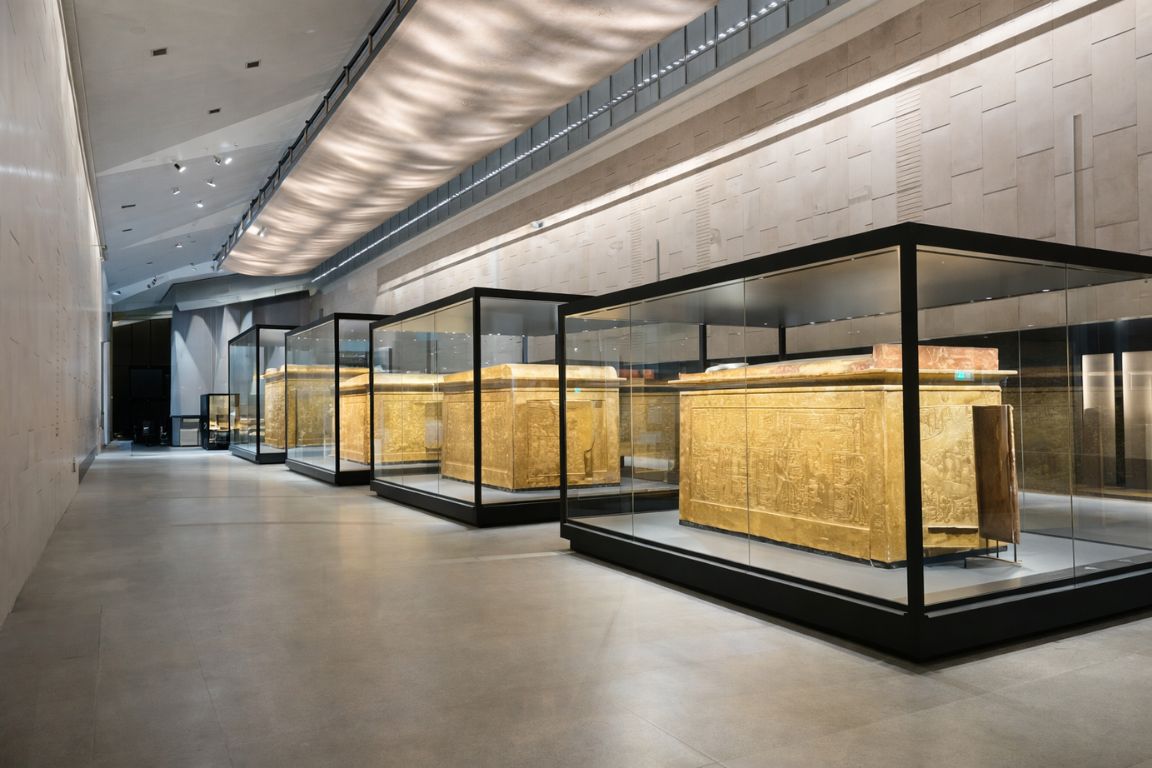
With 100,000 artifacts across twelve main galleries, nobody sees the whole museum in a short visit, and trying to is the mistake. A good rushed visit is a matter of deciding in advance what you will not skip.
What can you skip at the Grand Egyptian Museum if short on time?
If you are pressed, treat the twelve chronological main galleries as the flexible part: pass through them quickly rather than reading every panel. Protect the four headline stops instead, the Tutankhamun galleries, the Grand Hall with the Ramesses II statue, the Grand Staircase, and the Khufu Solar Boat. Those four are what a short visit exists to see.
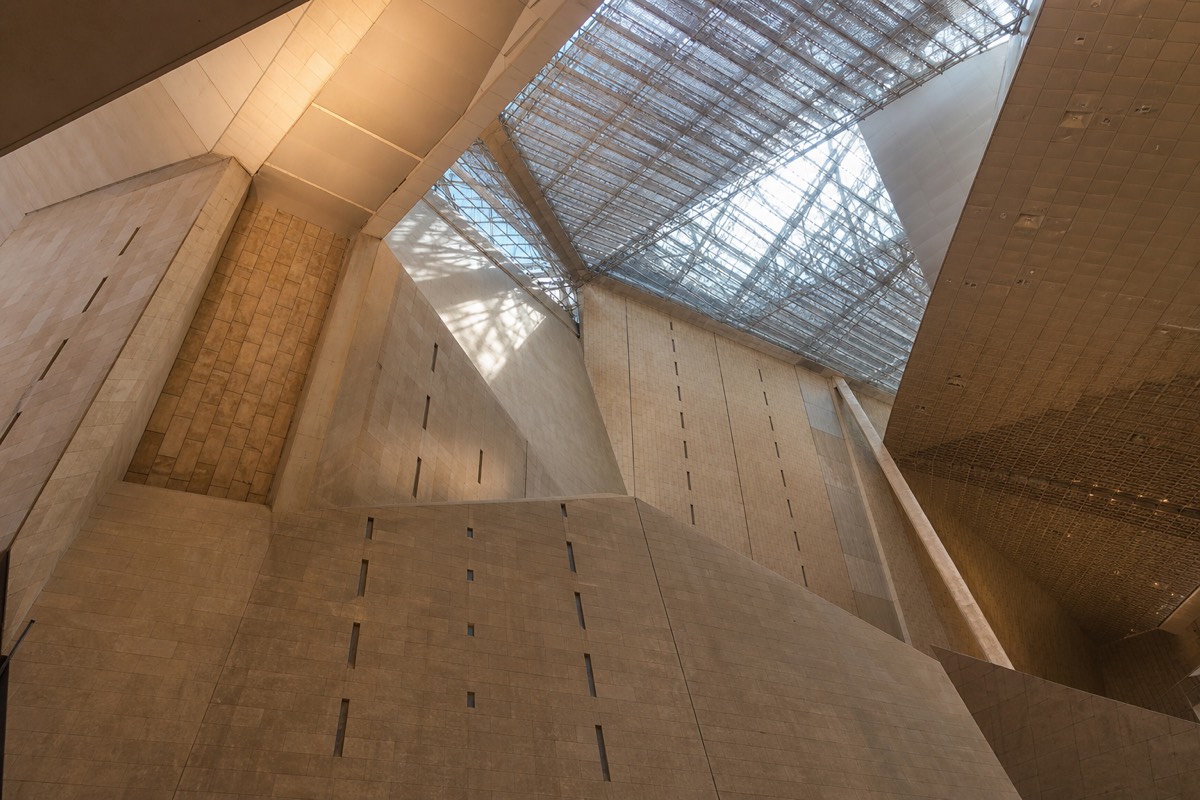
The main galleries are wonderful and tell the full 5,000-year story, but that story is exactly what does not survive a two-hour visit intact. Skimming them costs you depth, not a signature object. Skimming the headline stops costs you the reason you came.
So the honest guidance is not "skip these rooms entirely," it is "spend your minutes where the once-in-a-lifetime pieces are, and let the chronological halls be a fast, pleasant walk-through."
What should you never skip?
The Tutankhamun galleries first and foremost: the complete 5,398-object tomb assemblage, including the golden death mask, sits across two halls on the second floor, reached after the Grand Staircase. Then the Grand Hall's 11-metre Ramesses II statue, the Grand Staircase itself with its pyramid panorama, and the Khufu Solar Boat in its separate hall. All are covered by standard admission.
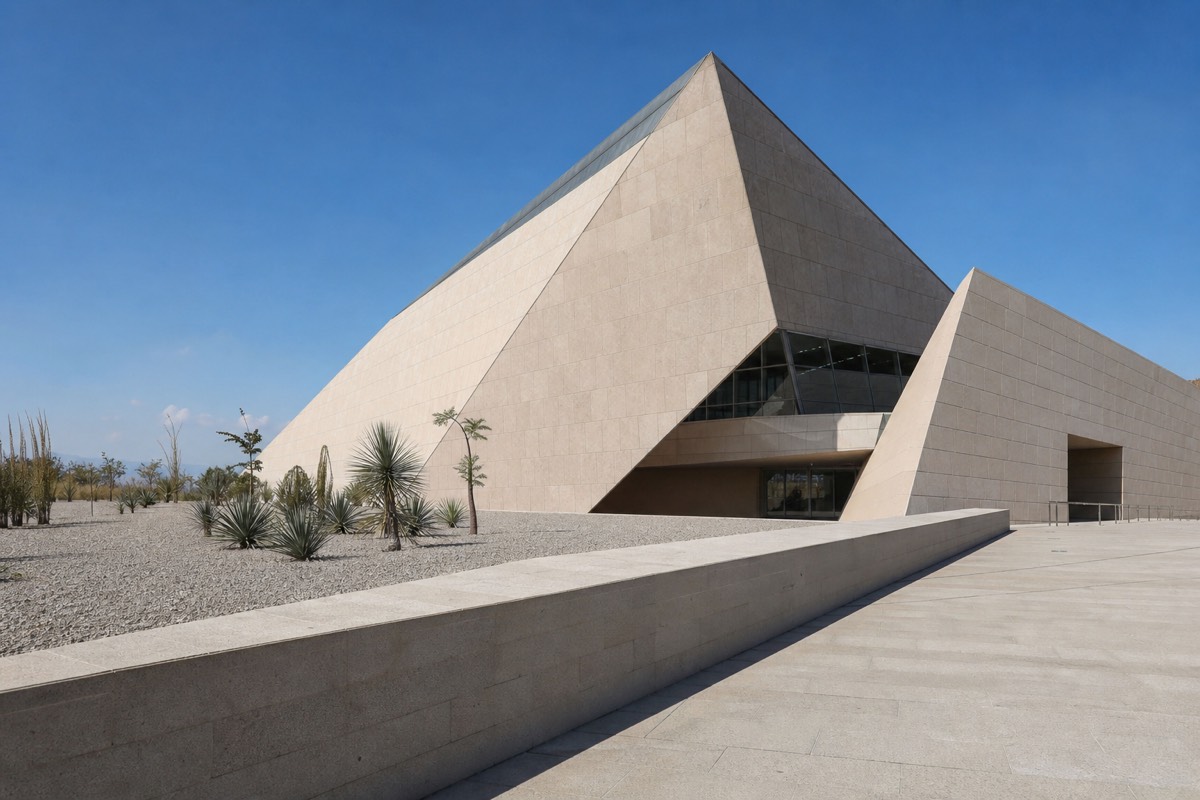
These four are non-negotiable because nothing else replaces them. The death mask, the solid gold coffin and the meteorite-iron dagger are unique. The Grand Staircase, lined with more than 60 colossal statues and ending in a glass view of the three Giza pyramids, is the museum's architectural set piece. The Solar Boat is the reconstructed cedar vessel of a pharaoh.
Which galleries can you pass through quickly?
The twelve main exhibition halls, arranged chronologically from prehistory to the Greco-Roman period, are the ones to move through at pace when time is short. Pick two or three objects in each that genuinely catch you, look at those properly, and let the rest be scenery. You lose the full narrative but keep the momentum for the headline stops.
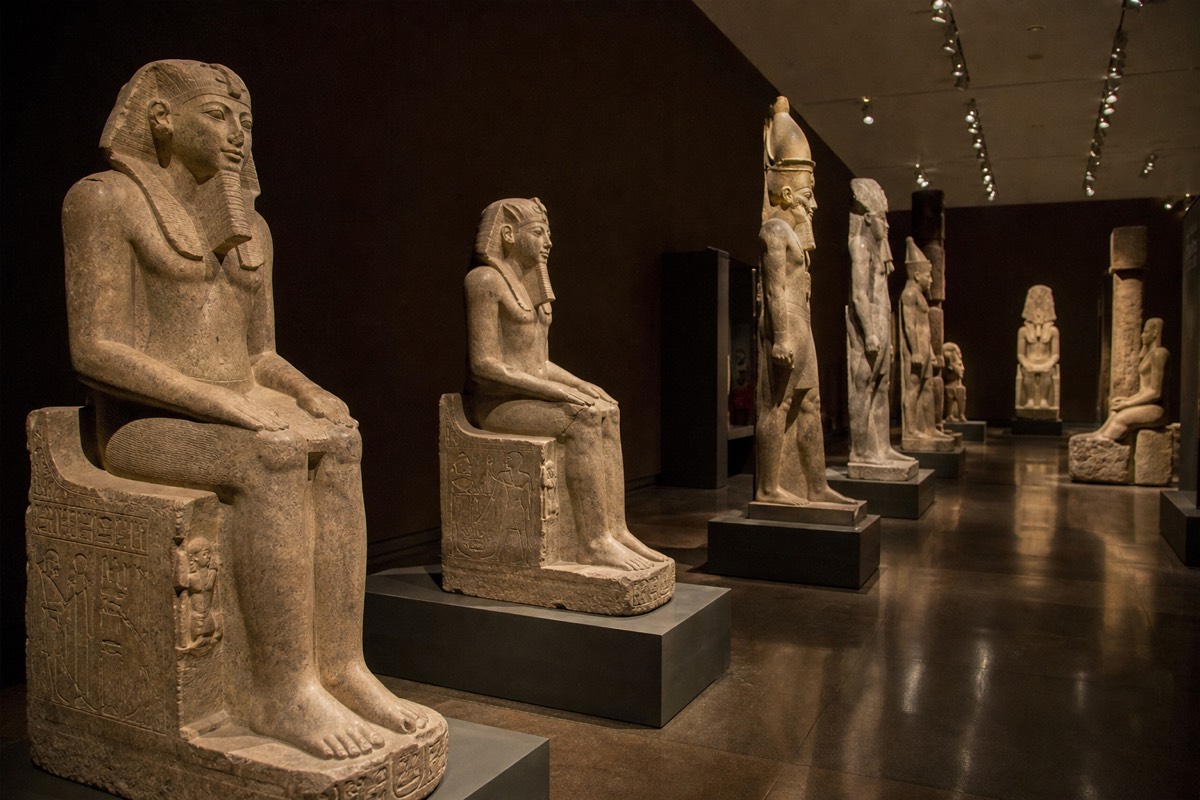
This is where visitors most often lose their schedule. It is easy to sink 40 minutes into the Old Kingdom hall and then run out of time for the Solar Boat, which sits in a separate building and gets sacrificed when the clock runs down. Deciding in advance to skim the chronological galleries protects the stops that matter more.
If you want a sense of what you are trimming, our overview of what to see maps the collection so you can choose your two or three anchor objects per gallery before you arrive.
| Stop | Short on time |
|---|---|
| Tutankhamun galleries | Protect; go first |
| Grand Hall, Ramesses II | Protect; quick but do not miss |
| Grand Staircase | Protect; take the walkway up |
| Khufu Solar Boat | Protect if at all possible |
| 12 main galleries | Fast walk-through |
What does a tight two to three hour route look like?
Enter on the 8:30 AM slot, go straight up the Grand Staircase to the Tutankhamun galleries before crowds build, then come back down through the Grand Hall for the Ramesses II statue, then walk to the Khufu Solar Boat. Fit a fast pass of the main galleries around that spine only if minutes remain. That order beats the crowds and guards the essentials.
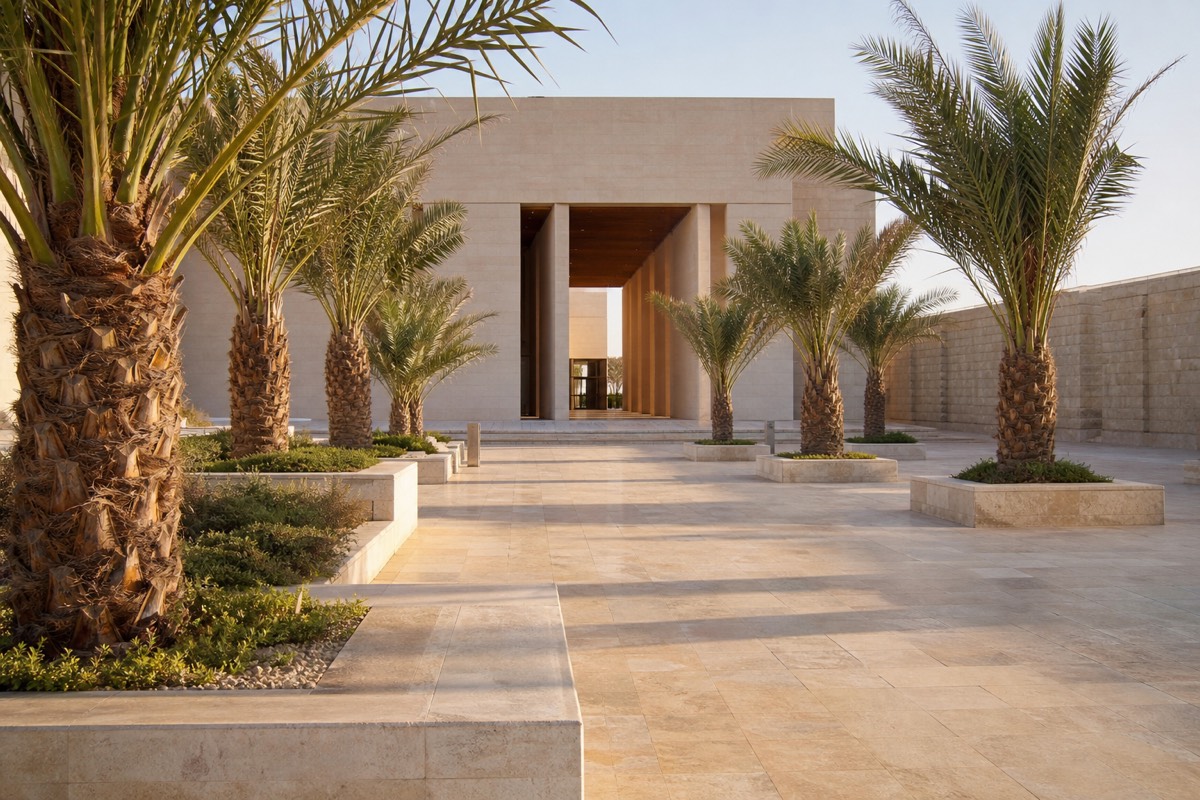
Going to Tutankhamun first is the key move. It is the busiest part of the museum every day, and the crowds peak between 11 AM and 2 PM. A 9 AM arrival that heads straight there sees it calm; an arrival that does everything else first walks into the queue at its worst.
Take the moving walkway up the Grand Staircase and walk down, so you absorb the statues without fighting the climb. An independent route lets you set the time spent at each stop.
How do you save time at the entrance and inside?
Book ahead so there is no ticket queue, download the QR code offline before you arrive, travel light because large bags slow security, and use the complex's shuttle from the outer areas to the entrance rather than walking the long approach. Small logistics choices at the start protect the gallery time you came for.
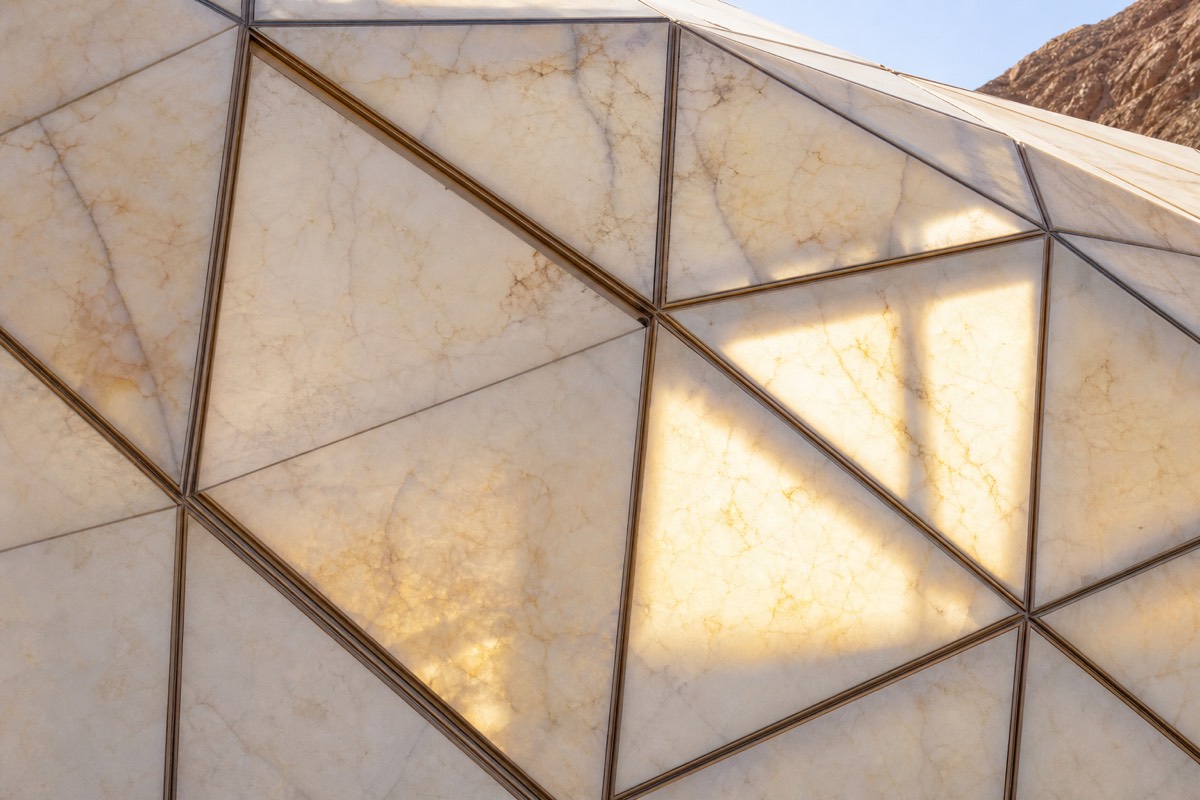
Inside, resist the urge to photograph everything; a short visit disappears one photo stop at a time. Read the panels only for your chosen anchor objects, and keep moving through the rest. The visitors who see the most in a rushed window are the ones who decided their priorities before walking in, not the ones who tried to see it all.