How Many Hours Do You Need at the Grand Egyptian Museum?
The honest answer depends on how you travel through museums. Here is a clear read on three to four hours, four to six, and when a full day is the right call.
Booking choice: Self-guided GEM admission including permanent galleries, Tutankhamun and the Solar Boat. No guide or transfers. Non-refundable; this provider listing is for ages 6 and above. Check GEM Admission Dates
Your next choice is how to visit: Choose an honest museum time budget and guided or independent format.
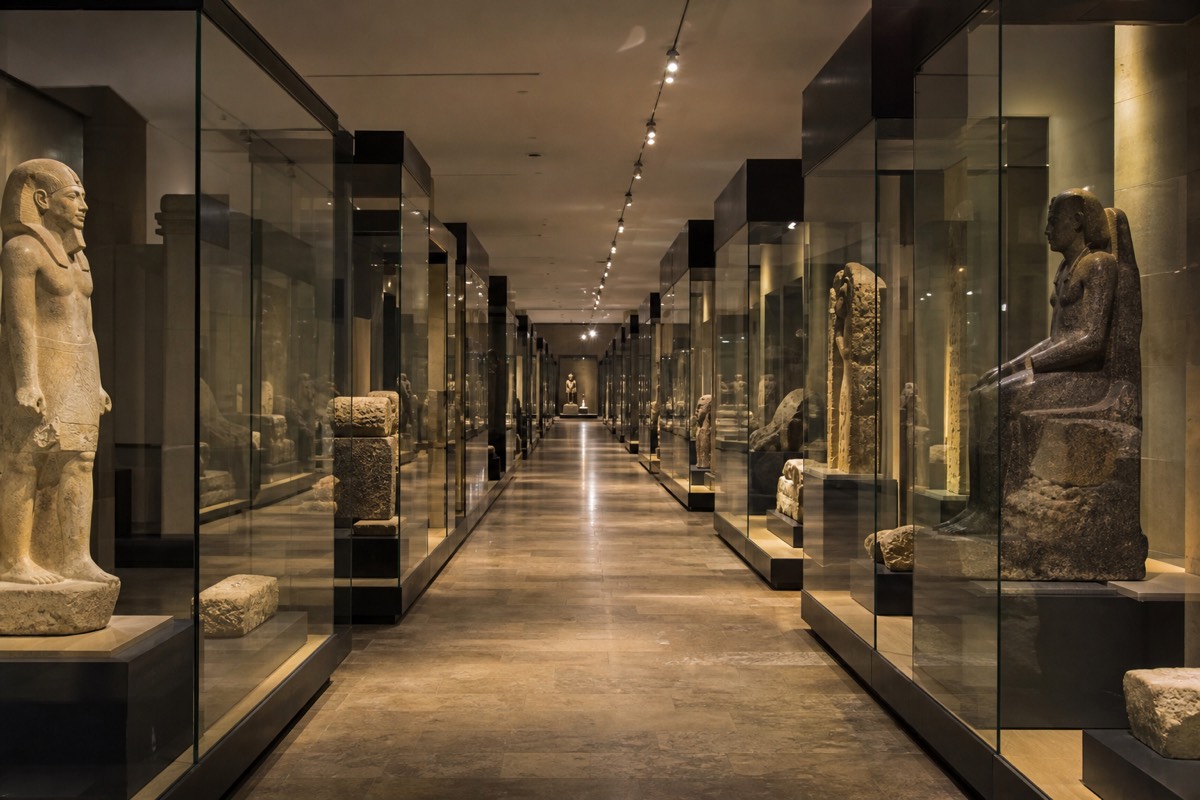
This is the planning question everyone asks before booking a slot, because it decides how the rest of the Cairo day is built. The museum is genuinely huge, so the range of sensible answers is wide.
How many hours do you need at the Grand Egyptian Museum?
Plan three to four hours to cover the headline stops, four to six hours for a proper first visit, and a full day if you are a serious museum-goer. With 100,000 artifacts across twelve main galleries plus the Tutankhamun halls, the Grand Staircase and the Khufu Solar Boat, even six hours leaves plenty unseen. Match the length to how deep you want to go.
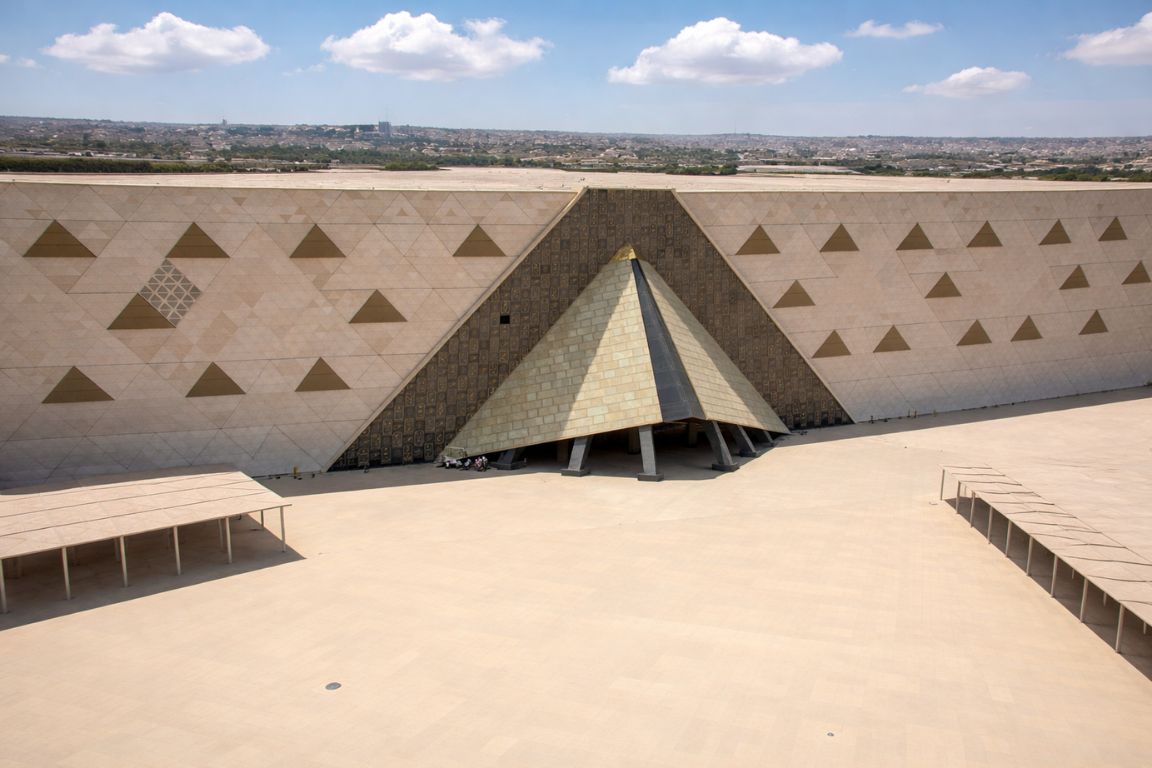
Three to four hours is a real, satisfying visit if you focus. Four to six hours lets the collection breathe and adds the chronological galleries and a sit-down break. A full day suits travelers who read every panel and want the whole 5,000-year arc. None of these is wrong; they are different trips.
Because entry is timed and booked ahead, decide your length before you pick a slot, so you leave enough of the day on the far side of your entry window. This post answers the raw hours question; for a slot-by-slot breakdown of each format, our half-day or full-day comparison goes deeper than we will here.
What can you see in three to four hours?
A focused three to four hours covers the four headline stops: the Tutankhamun galleries, the Grand Hall with the Ramesses II statue, the Grand Staircase and the Khufu Solar Boat. You will move briskly and skim or skip the twelve chronological main galleries, but you will have seen the objects that exist nowhere else on earth.
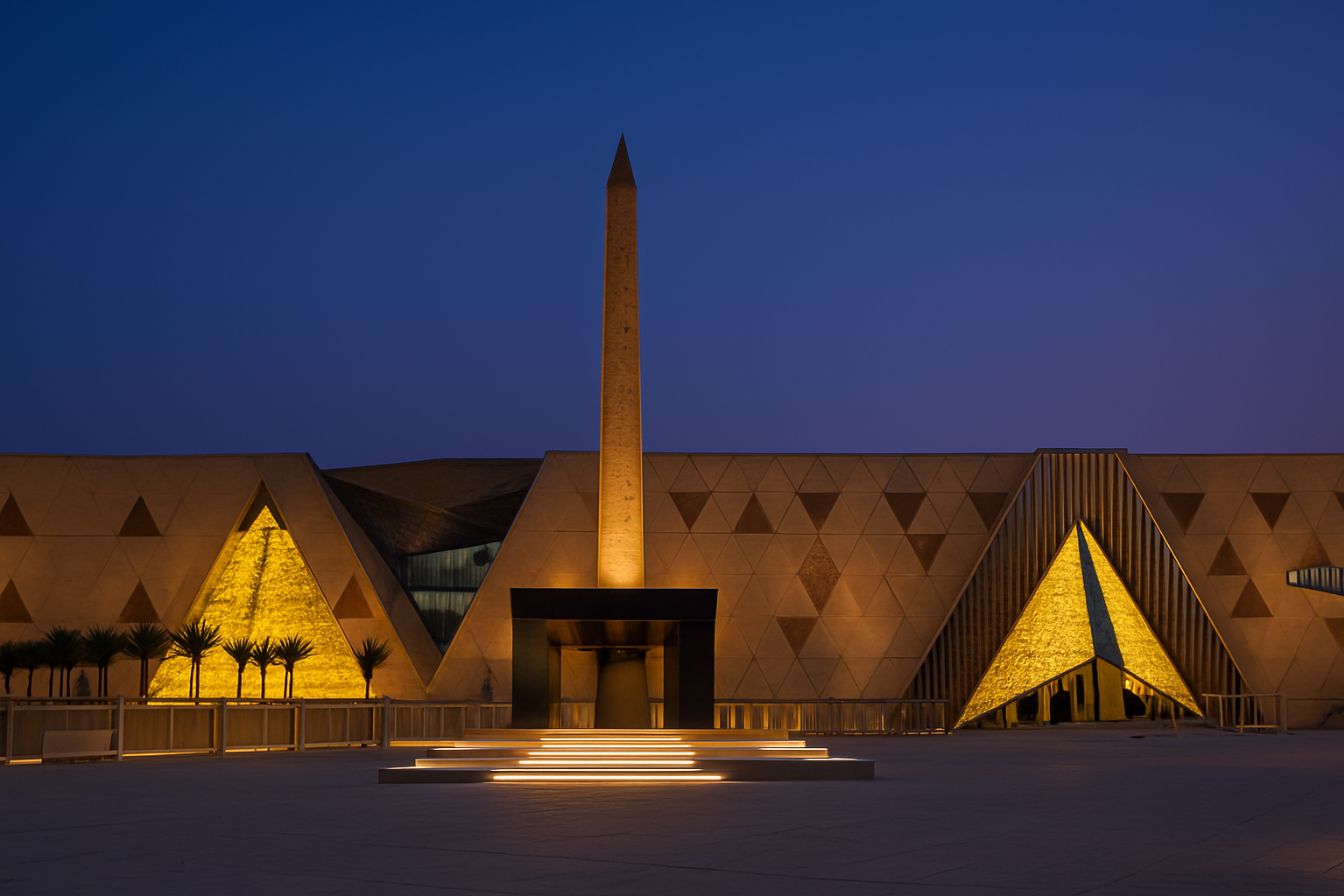
This is the length most people combining the museum with the Pyramids choose, and it works well when the order is right. Go to the Tutankhamun galleries first, before the crowds build from mid-morning, then the Grand Hall, the Grand Staircase and the Solar Boat. That sequence gets the busiest room done while it is quiet.
| Visit length | What it covers |
|---|---|
| 3 to 4 hours | The four headline stops, main galleries skimmed |
| 4 to 6 hours | Headline stops plus main galleries and a break |
| Full day | All twelve galleries in depth, unhurried |
What does a four to six hour visit add?
Time to actually stand in front of objects rather than passing them. Four to six hours adds the twelve main galleries in chronological sequence, a proper sit-down lunch in the complex, and enough slack that the Tutankhamun halls do not have to be rushed. This is the length most first-time visitors are happiest with once they are inside.
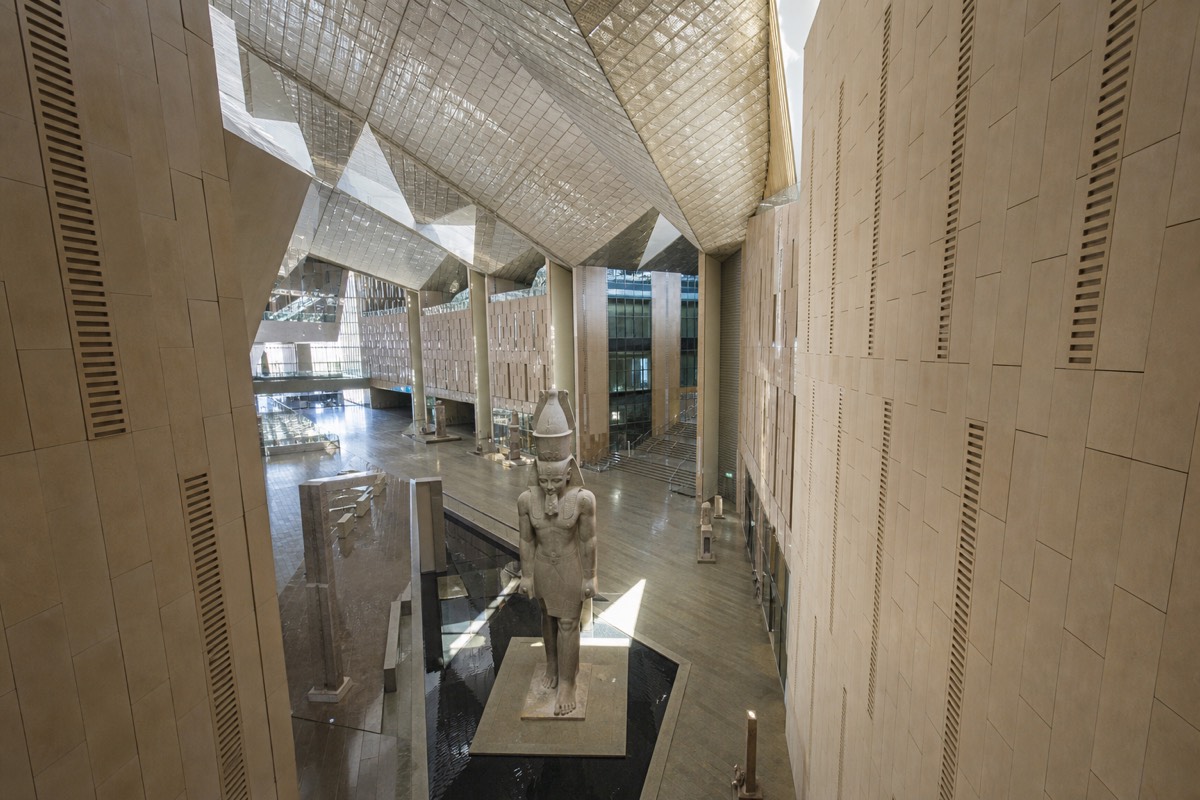
The extra hours mostly buy the narrative. The main galleries run from prehistory through the Old, Middle and New Kingdoms to the Greco-Roman era, and they are what turns a collection of famous pieces into the story of a civilisation. A mid-visit meal is not padding here; museum fatigue is real, and the afternoon galleries need fresh attention.
Do you need a full day?
Only if you love museums and want the collection in depth. A full day, six to eight active hours inside, lets you read panels, linger in the later galleries most visitors skip, and still not see everything. One traveler reported seeing only 60 to 70 percent of the collection after seven hours, which is a fair measure of the scale rather than a warning against going.
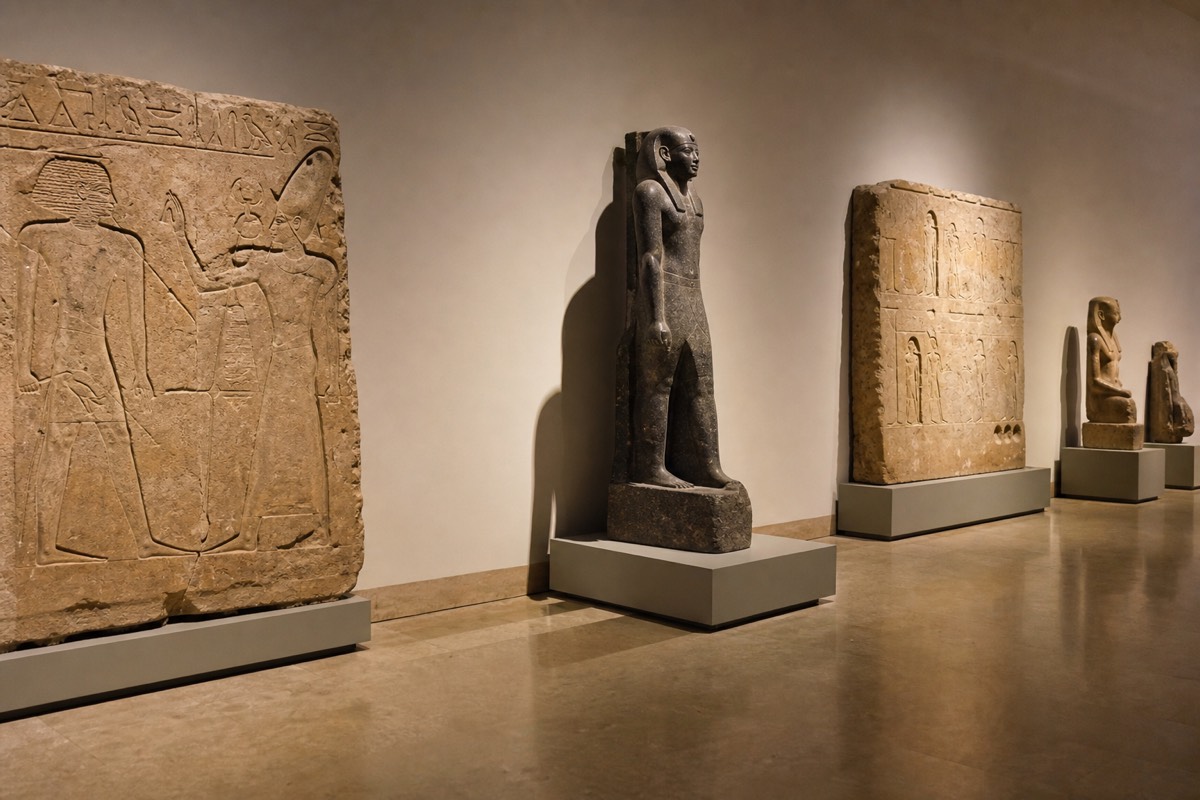
A full day is the right call for dedicated Egyptophiles, for a once-in-a-lifetime trip where this is the centrepiece, and for anyone who does not hit museum fatigue quickly. It is overkill for a traveler who mainly wants the headline objects and has the Pyramids to fit in the same day.
Serious visitors sometimes split the museum across two half-days instead, which sidesteps fatigue entirely: the headline stops on one visit, the main galleries on another. That format gives the deepest experience without the long single-day grind.
How does visit length change with a combined Pyramids trip?
Shorten the museum to a focused three to four hours and put it in one half of the day. The museum sits two kilometres from the Pyramids, so a one-day double is very doable, but only if the museum is the half-day version. Attempting a full-day museum visit and a proper plateau visit in the same day produces two rushed experiences.
The sequencing that works best is Pyramids in the cooler morning, then the air-conditioned museum in the afternoon, or the museum first thing followed by the plateau. Either way the museum is the three-to-four-hour highlights loop, not the full-day deep dive. Our guide on how to combine the museum and the Pyramids lays out the timing in detail.
If the plateau is not on your list this trip, spend the freed-up hours on the main galleries instead and let the museum stretch to a comfortable five or six. The building easily absorbs the time.
Planning a trip? Start with our guide to visiting the Grand Egyptian Museum.