Half-Day vs Full-Day at GEM
How long at the Grand Egyptian Museum? 3-4 hours covers the highlights, but a full day lets you experience all 12 galleries without rushing.
Booking choice: Self-guided GEM admission including permanent galleries, Tutankhamun and the Solar Boat. No guide or transfers. Non-refundable; this provider listing is for ages 6 and above. Check GEM Admission Dates
Keep your museum route independent, or add a private guide and hotel pickup if they serve your day.
TL;DR
A half-day visit (3 to 4 hours) covers the four non-negotiable stops: Tutankhamun Galleries, Grand Staircase, Grand Hall with the Ramses II statue, and Khufu’s Boats Museum. It works well if you’re combining GEM with the Pyramids in one day. A full day (6+ hours) unlocks all 12 Main Exhibition Halls in sequence, real time at each object rather than just scanning, a proper sit-down lunch inside the museum, and enough mental space that the collection actually settles. Most first-timers who rush leave with regret. Most who take a full day say they still could have used more.
Half-Day vs Full-Day at the Grand Egyptian Museum: The Honest Answer From Someone Who’s Done Both 300 Times
GEM Visit Planning: Quick Facts (Verified March 13, 2026)
| Complex opens | 8:30 AM | 8:30 AM | 8:30 AM |
| Galleries open | 9:00 AM | 9:00 AM | 9:00 AM |
| Galleries close | 6:00 PM | 9:00 PM | 4:00 PM |
| Last ticket | 5:00 PM | 8:00 PM | 3:00 PM |
| Maximum possible visit window | ~9 hours (9 AM to 6 PM) | ~12 hours (9 AM to 9 PM) | ~7 hours (9 AM to 4 PM) |
| Foreign adult admission | 1,450 EGP (~$30 USD) · Verified March 13, 2026 | ||
| Children (6-21) / students | 730 EGP | ||
| Children under 6 | Free | ||
| Tickets sold | Online only via visit-gem.com · No walk-up sales | ||
| Official recommended visit duration | 3-4 hours minimum · 6 hours for full experience |
The first thing most people get wrong about planning a GEM visit is treating “half-day” and “full-day” as interchangeable options. They’re not. They produce genuinely different experiences of the same place, and the right choice depends entirely on what kind of traveler you are, what else is on your Cairo itinerary, and how you react to 100,000 artifacts across 500,000 square meters when you’ve been on your feet for four hours.
We’ve watched this play out for over a decade. The traveler who books a 3-hour tour because they want to tick GEM off the list before the Pyramids in the afternoon often comes back to us with a specific regret. Not a vague “I should have spent more time.” They name the thing they didn’t get to. Usually it’s the Khufu Solar Boats, because that building sits separate from the main galleries and gets sacrificed when time runs short. Or it’s Gallery 8, the New Kingdom hall, because they spent longer than expected in Tutankhamun and the math stopped working.
That’s the real calculus. Let’s work through it properly.
What Can You Realistically See in 3 to 4 Hours at GEM?
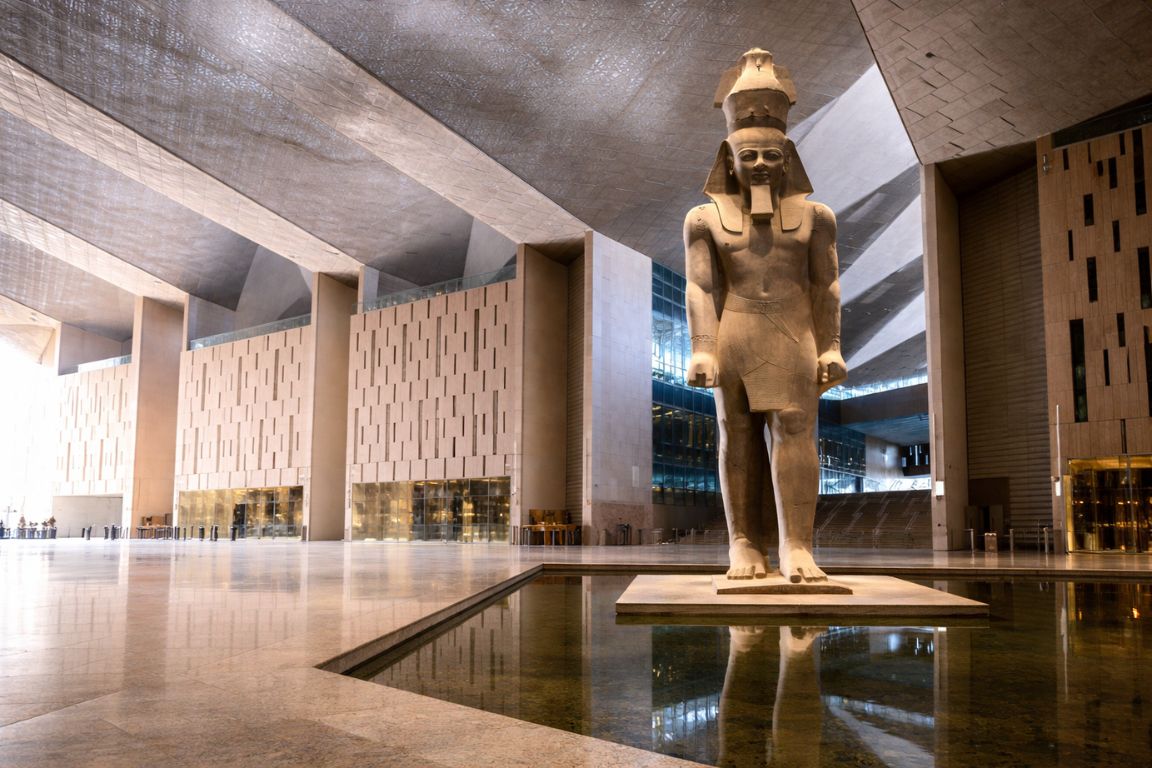 In 3 to 4 hours at GEM, a focused visitor can cover the four headline stops: the Tutankhamun Galleries (allow 60 to 75 minutes minimum), the Grand Staircase (20 to 30 minutes), the Grand Hall and Ramses II statue (15 to 20 minutes), and Khufu’s Boats Museum (25 to 30 minutes). That accounts for roughly 3 hours of standing time, leaving buffer for transit between buildings, one bathroom stop, and the esplanade walk in from the gate. You will not see the 12 Main Exhibition Halls in any meaningful depth. You’ll pass through them briefly or skip them entirely.
This is a legitimate visit. The four stops above contain some of the most significant objects in the entire museum. The death mask. The solid gold coffin. The meteorite iron dagger. The 43.6-meter cedar boat that is the oldest intact vessel on earth. A visitor who only sees those things and goes home has still seen things that don’t exist anywhere else on the planet.
What the 3-hour visit doesn’t give you is the Museum’s full argument. GEM is structured as a 5,000-year narrative across 12 chronological galleries. Each hall covers a specific era: Prehistoric and Predynastic, Early Dynastic and Old Kingdom, First Intermediate and Middle Kingdom, Second Intermediate and New Kingdom, and on through the Third Intermediate, Late, and Greco-Roman Periods. If you skip the Main Galleries entirely, you see the most famous objects without the civilization that produced them. That’s like reading the last chapter of a novel and calling it read.
It’s still worth doing. Just know what it is.
One sequencing note that matters for the half-day format specifically: go to the Tutankhamun Galleries first, before anything else. Not after the Grand Staircase, not after Ramses II. First. The Tut section is the most crowded part of GEM every day, and the crowds peak between 10:30 AM and 2 PM when group tour waves arrive. A 9 AM entry that goes straight to Tutankhamun gets there before most of the morning tours. An entry that does the Grand Hall first and arrives at Tutankhamun at 10:45 AM walks into a fundamentally different experience.
We’ve mapped out what to see at the Grand Egyptian Museum because the collection is enormous and most visitors only have 3-4 hours before they hit museum fatigue.
What Does a Full Day at GEM Actually Look Like Hour by Hour?
 A full-day GEM visit runs roughly 6 to 8 hours of active time inside the complex. It covers all four headline stops at a proper pace, all 12 Main Exhibition Halls in chronological sequence, a real lunch break at one of the museum restaurants, and time to actually pause in front of objects rather than walking past them. Seven hours in, one of our travelers reported seeing 60 to 70 percent of the total collection. That statistic is not a warning against going. It’s a description of the scale you’re working with.
Here’s a realistic hour-by-hour shape for a full-day visit starting at 9 AM on a standard day:
9:00 AM: Enter. Don’t go to the Grand Hall yet. Go directly to the Tutankhamun Galleries. This is the single most important sequencing decision of the day. You want those galleries while your energy is high and the crowds are thin. Budget 75 to 90 minutes here. Not because you can’t spend more time, but because you’ll exhaust your ability to absorb the collection if you go deeper at the expense of what comes after.
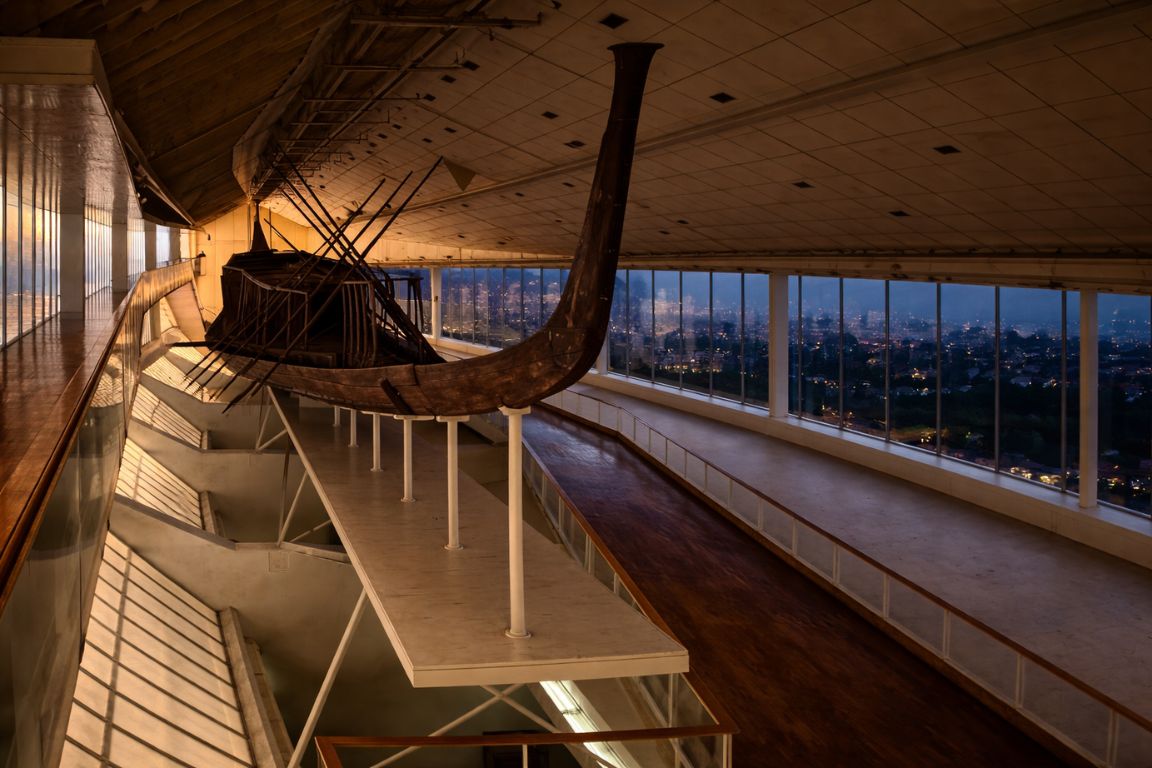
10:30 AM: Move to Khufu’s Boats Museum. The boat building sits at a separate wing of the complex. Many half-day visitors sacrifice this stop because they lose time in Tutankhamun. With a full day, you have room for it, and it deserves 30 to 40 minutes. Khufu Boat 1 is 43.6 meters of cedar planks fitted together with rope lashing and wooden pegs, no metal, no glue, 1,224 individual pieces. The live restoration of Khufu Boat 2 immediately adjacent is something that won’t exist in this form much longer once the restoration is complete.
11:15 AM: Grand Staircase and Grand Hall. This is the architectural heart of the museum: 60+ colossal statues ascending six floors, the Ramses II statue at 11 meters and 83 tons, the Hanging Obelisk suspended from the ceiling at 16 meters. Budget 45 minutes to an hour. The pyramid view from the top of the staircase, through the glass, is one of the best photographs in all of Cairo and the light is usually good in the late morning.
12:30 PM: Lunch. GEM has real restaurants, not just a kiosk. Zooba serves modern Egyptian street food. 30 North does contemporary Egyptian cuisine. Nefertari Cafe handles coffee and lighter meals. Prices are reasonable by international museum standards, roughly $8 to $15 USD for a meal. Sit down. Rest your feet. This is not optional padding in a full-day visit. Museum fatigue is physical. The Main Galleries require fresh attention and you won’t give them what they need if you’re grinding through them on empty legs at 1 PM.
1:30 PM: Main Exhibition Halls, Galleries 1 through 6. These cover Prehistoric through the First Intermediate Period into Middle Kingdom. Don’t try to read every panel. Pick two or three objects per gallery that genuinely interest you, read those fully, and let the rest be context. The Old Kingdom gallery (Gallery 3 or 4 depending on current layout) has the Seneb family statue, the dwarf official with his wife and children, which is one of the most quietly affecting objects in the entire museum. Most visitors walk past it.
3:00 PM: Galleries 7 through 12, New Kingdom through Greco-Roman. Gallery 8 covers the New Kingdom, Egypt’s imperial peak, and has artifacts from Hatshepsut, Thutmose III, and Akhenaten alongside Tutankhamun’s New Kingdom contemporaries. The late galleries showing Ptolemaic and Roman-era Egypt are undervisited and genuinely interesting for anyone who finds the blend of Greek aesthetics with Egyptian motifs compelling.
4:30 PM: Back to anything you want to revisit. Or the esplanade. Or a final coffee. On a Wednesday or Saturday with extended hours, this is where an afternoon visitor who came in at 1 PM is just reaching their stride as the morning crowd clears out.
If you’re trying to figure out the details, here’s how to visit the Grand Egyptian Museum so you don’t waste time at this brand-new attraction that’s still getting organized.
Full-Day GEM Visit: Realistic Hour-by-Hour Breakdown
| 9:00 AM | Tutankhamun Galleries | 75-90 min | Go here first. Still photos allowed; no video. Crowds build from 10:30 AM onward. |
| 10:30 AM | Khufu’s Boats Museum | 30-40 min | Separate building within GEM complex. Allow 5-7 min walking transit each way. |
| 11:15 AM | Grand Staircase + Grand Hall | 45-60 min | Pyramid view from top of staircase. Good photography light in late morning. |
| 12:30 PM | Lunch | 45-60 min | Zooba, 30 North, or Nefertari Cafe. Sit down. Non-negotiable for the afternoon to work. |
| 1:30 PM | Main Galleries 1-6 (Prehistoric to Middle Kingdom) | 90 min | Don’t try to see everything. Two or three anchor objects per gallery at depth. |
| 3:00 PM | Main Galleries 7-12 (New Kingdom to Greco-Roman) | 90 min | Gallery 8 (New Kingdom) is the anchor. Late Ptolemaic galleries are undervisited and worth it. |
| 4:30 PM+ | Revisit, esplanade walk, or rest | 30-60 min | Wed/Sat evening visitors: this is when the building quiets and the light changes. |
| Finish | Exit via esplanade | 15-20 min walk | Esplanade runs 1.27-1.45 km back to main gate. Electric shuttle available. |
Is It Better to Combine GEM with the Pyramids in One Day, or Split Them?
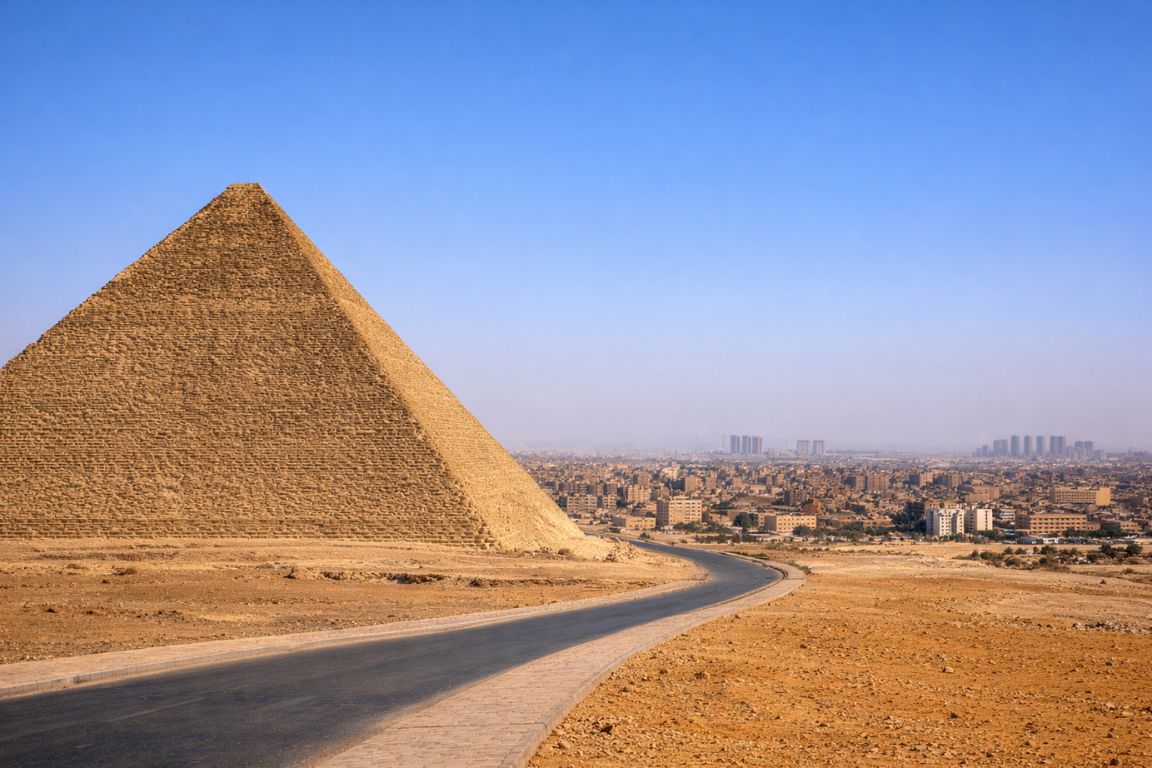 Most travelers can do GEM and the Pyramids in one day if the sequencing is right: Pyramids first thing in the morning (arrive 8 AM), leave the plateau by 11:30 AM, lunch, then GEM from 1 PM onward. This structure gives the Pyramids the cool, low-crowd morning hours they need, and leaves GEM the afternoon when the museum’s climate control is an asset, not a consolation. Attempting a deep GEM visit in the same day as a proper Pyramid plateau visit, without that sequencing, produces two rushed half-experiences instead of one good one.
The case for splitting into two days is real, especially for first-time visitors to Egypt who have no prior context for the scale of either site. The Pyramids are not a 45-minute photo stop. If you’re going inside Khufu’s pyramid, that’s 1,500 EGP additional on-site, daily cap, often sold out by mid-morning, and at least 30 minutes of time. If you’re walking the plateau properly, visiting the Sphinx, and doing Khafre’s interior, you’re looking at 3 to 4 hours minimum. Add GEM in the afternoon with genuine attention to what’s inside, and you’ve created a 9 to 10 hour day with almost no recovery time between physically demanding outdoor heat and indoor concentrated attention.
Two days is the right call for anyone who wants to do both things well and isn’t operating under hard schedule constraints. One day is doable if the sequencing holds and the half-day GEM format is acceptable. One day done wrong, meaning afternoon Pyramids in the desert heat followed by a GEM sprint before closing, is the worst outcome and one we see constantly in tour feedback.
There is one specific exception where flipping to GEM-first actually works: Wednesday and Saturday evening visits. On those two days GEM stays open until 9 PM with a last ticket at 8 PM. A traveler who does the Pyramids in the morning, rests at their hotel in the midday heat, and enters GEM at 4 or 5 PM on a Wednesday gets a genuinely different museum experience: afternoon group tour traffic has cleared out, the gallery lighting shifts as natural light fades, and there’s no closing-time pressure until much later. That specific combination is one of the best single days available in all of Cairo tourism right now.
Wondering how they compare? Our guide on Grand Egyptian Museum vs Pyramids of Giza shows you exactly what sets each experience apart and which one resonates more with different travelers.
Who Should Choose a Half-Day Visit vs a Full Day?
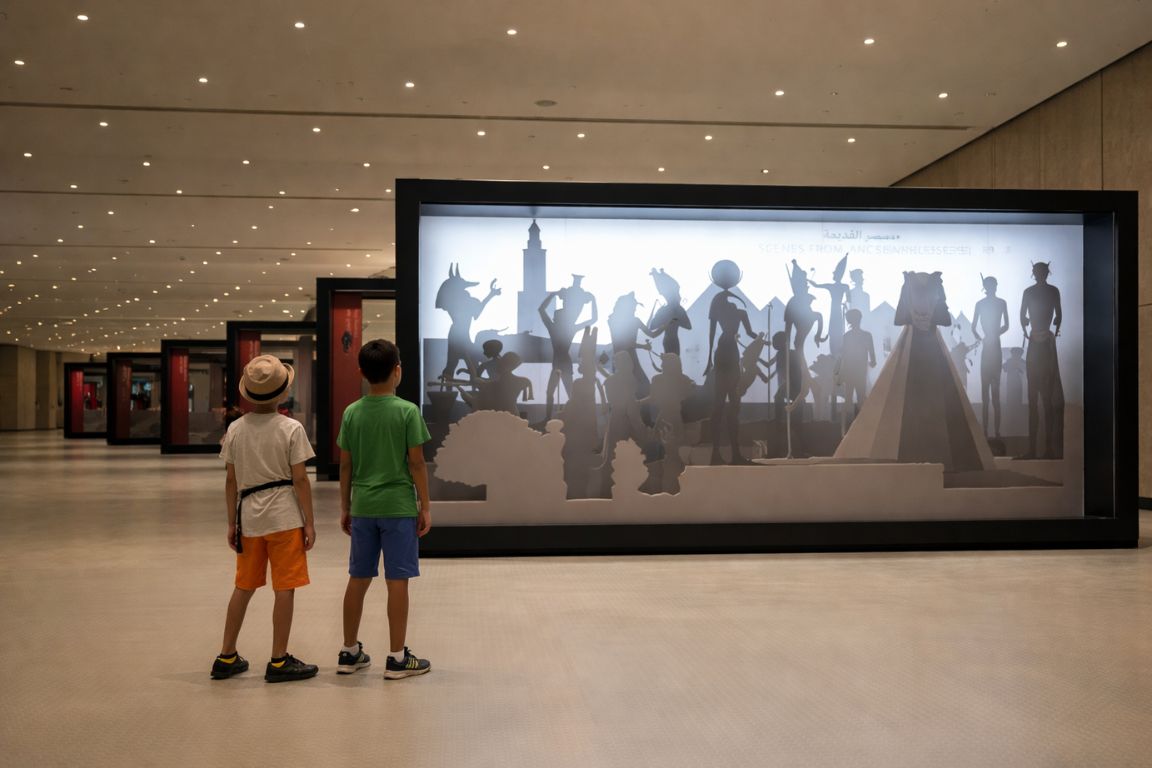 Choose a half-day if: you’re combining GEM with the Pyramids on the same day, you have a tight Cairo itinerary with other sites to cover, you are visiting primarily for Tutankhamun and the signature artifacts rather than the full civilizational narrative, or you’re traveling with young children who will hit their limit well before the 5-hour mark. Choose a full day if: this is a dedicated GEM visit with nothing else scheduled, you have genuine interest in ancient Egyptian history beyond the headline objects, you respond well to museums and don’t hit fatigue walls quickly, or this is your only trip to Egypt and you want to extract maximum value from the 1,450 EGP ticket.
The family with children question deserves its own note. GEM has a dedicated Children’s Museum spanning 5,000 square meters for ages 6 to 12, with augmented reality and interactive exhibits, fully air-conditioned. If you have children in that age range, the Children’s Museum changes the calculation for a full-day visit significantly. A parent who splits the time, doing the main highlights and Tutankhamun themselves while a partner takes the children through the Children’s Museum, then reconvening for lunch and the Grand Staircase together, can structure a genuinely full day without anyone running dry. That format works better than trying to move children through the Main Galleries at a pace suited to adult attention spans.
If you’re planning a family visit, here’s the honest take on visiting Grand Egyptian Museum with kids based on what actually keeps them engaged and when they hit the wall.
Repeat visitors have a different math entirely. If you’ve been to GEM before and saw the headline stops, a second visit is almost always better as a deliberate deep-dive into one or two galleries rather than another full sweep. Pick Gallery 8. Spend two hours in it. Read every panel, look at every object in Hatshepsut’s section and the Amarna Period material. That visit, of two to three focused hours in one gallery, will give more than the first six-hour visit across everything.
Half-Day vs Full-Day: Decision by Visitor Type
| Combining with Pyramids in one day (correct sequence: Pyramids AM, GEM PM) | Half-day GEM | 3-4 hours | Go to Tutankhamun first. Skip Main Galleries or do a fast pass only. |
| GEM as standalone day, history interest | Full day | 6-8 hours | Book 9 AM slot. Sit-down lunch is non-negotiable. All 12 galleries reachable. |
| Family with children ages 6-12 | Full day, split format | 6-7 hours | Adults: headline stops. Children: Children’s Museum (5,000 sq m, AR/interactive). Reconvene for Grand Staircase. |
| Solo traveler / couple with deep Egypt interest | Full day or two half-days | 6+ hrs, or 3-4 hrs twice | Two half-day visits across two days is the highest-quality format for serious Egyptophiles. |
| One-day Cairo layover or cruise port stop | Half-day only realistic | 2.5-3.5 hours | Tutankhamun + Grand Staircase minimum. Accept Khufu Boats may not happen. |
| Wednesday or Saturday visit available | Extended evening format | 4-5 hours from ~4:30 PM | Galleries open to 9 PM. Crowds thin after 5 PM. Ideal if doing Pyramids the same morning. |
| Repeat visitor (second visit) | Targeted deep-dive | 2-3 hours in 1-2 galleries | Skip everything you’ve seen. Go deep on one gallery you barely touched first time. |
| Ramadan period visit | Half-day (mandatory) | Max ~5 hours (9 AM to 4 PM) | Last ticket at 3 PM. Arrive at 9 AM sharp. Prioritize Tutankhamun first. |
What Are the Most Common Mistakes Visitors Make When Choosing Their Visit Length?
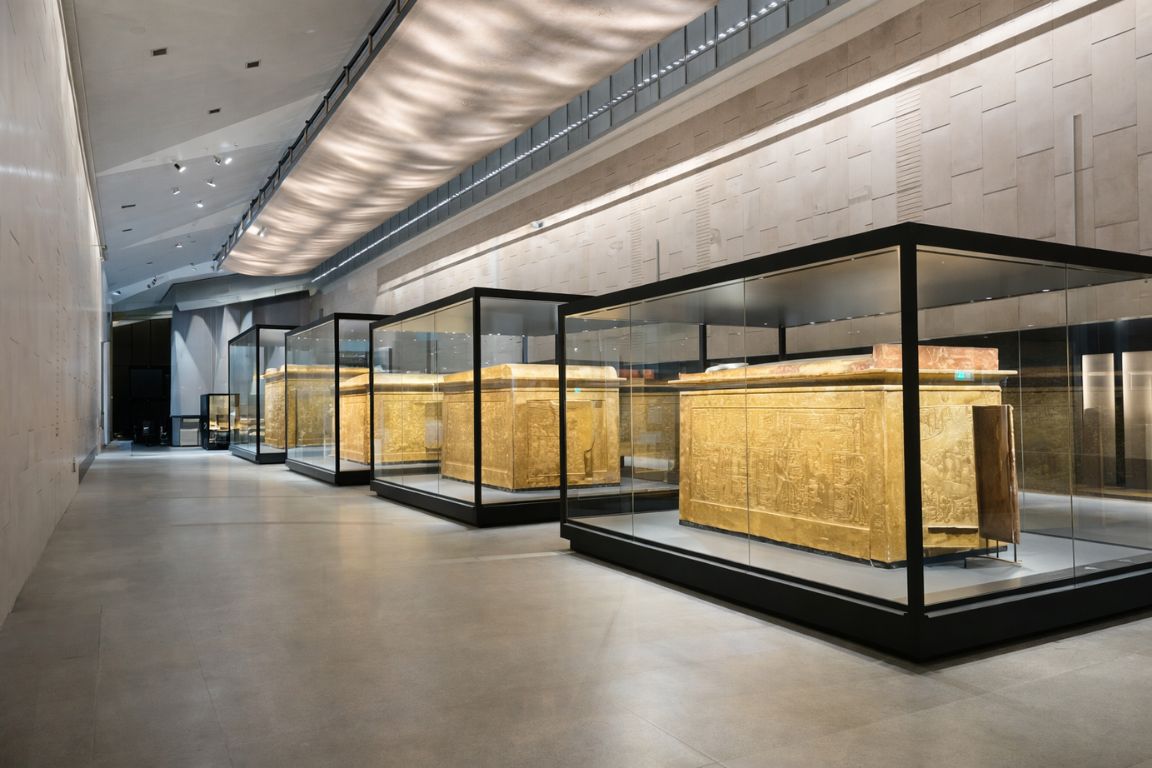 The three patterns we see most often: underestimating how long Tutankhamun takes and losing the Khufu Boats as a result; booking a half-day visit on a Friday or Saturday without accounting for Egyptian weekend crowds that compress useful time; and skipping the mid-visit lunch break in a full-day visit, which causes the afternoon Main Galleries to blur together rather than register. Each of these is preventable with the right structure going in.
The Tutankhamun time trap is the most consistent. The two Tutankhamun halls cover 7,000 square meters with all 5,398 objects from KV62. The hall with the death mask, the golden shrines, and the solid gold coffin stops people cold. Not for five minutes. For fifteen or twenty. And each person in a family of four stops separately, takes their own photographs, reads their own panels. A group of four spending 90 minutes in Tutankhamun is realistic. Two hours is common. Three hours happens. The Khufu Boats Museum is a 10-minute walk from the main building. If you haven’t built in explicit time for it before Tutankhamun eats your schedule, it goes.
The Friday and Saturday crowd problem is different from what most travel blogs describe. They say “avoid the Egyptian weekend.” That’s partially true, Fridays and Saturdays are GEM’s busiest days because they’re Egyptian days off. But the crowd impact is not uniform across the museum. The Tutankhamun Galleries get genuinely packed on these days. The Main Galleries, especially the later Ptolemaic galleries, remain walkable even on a busy Friday. A half-day visitor on a Friday who goes to Tutankhamun first at 9 AM beats the crowd before it builds. A half-day visitor who arrives at 11 AM on a Saturday without that timing discipline walks into a very different situation.
The lunch-skipping failure is subtle but real. Museum fatigue is a documented phenomenon. After roughly 90 minutes of sustained attention in a dense exhibit environment, cognitive absorption drops measurably. GEM’s Main Galleries are not a casual stroll. They’re dense, interpretively demanding, and the good ones require active reading and looking. Visitors who push through without a break and hit the New Kingdom gallery at 3 PM on tired legs and a glucose crash are not actually seeing Gallery 8. They’re passing through it. The lunch break is structural, not indulgent.
One more failure mode specific to half-day visitors: the “last ticket trap.” On standard days, GEM’s last ticket is at 5 PM with galleries closing at 6 PM. A visitor who arrives on a 5 PM ticket and heads to Tutankhamun first will be in the galleries when the announcement to clear comes at 5:45 or 6 PM. That’s one hour of actual gallery time, which isn’t enough for Tutankhamun alone. If your schedule only allows a late-in-the-day entry, choose a Wednesday or Saturday when the last ticket is 8 PM and galleries run until 9 PM. The math becomes workable again.
What Do Our Travelers Actually Report About Visit Length?
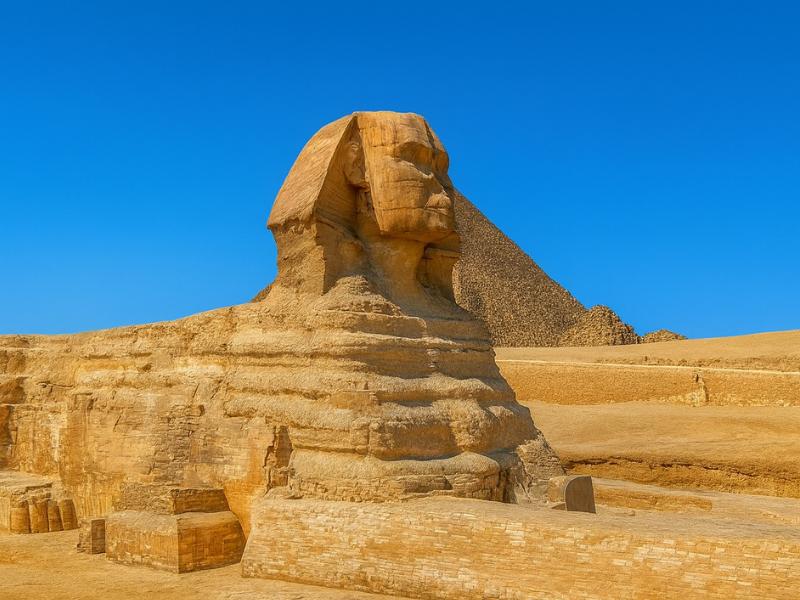
Across more than 7,200 travelers we’ve guided through GEM since founding in 2013, the data points to one consistent finding: visitors who plan a half-day but leave with regret almost always name a specific missed stop rather than a general feeling of being rushed. The most frequently missed stop is the Khufu Boats Museum, followed by the New Kingdom Main Galleries. Visitors who plan a full day report significantly higher overall satisfaction but also higher rates of physical fatigue. The sweet spot in our experience is 5 to 6 hours with one proper sit-down break.
What Our Travelers Report: Visit Length and Satisfaction (From 7,200+ Guided Visits)
| Would recommend same visit length to a friend | 45-60% | 75-90% | 65-80% |
| Wished they had stayed longer | 70-85% | 40-55% | 25-40% |
| Named a specific missed stop (most common: Khufu Boats) | 60-80% | 30-45% | 15-30% |
| Reported physical fatigue affecting the visit | 20-35% | 35-50% | 60-80% |
| Would return to GEM on a future trip | 80-90% | 85-95% | 90-98% |
| Took a sit-down lunch break | 30-50% | 70-85% | 80-95% |
The visitor who spent 7+ hours at GEM and still only saw 60 to 70 percent of the collection isn’t an outlier. It’s an accurate reflection of what 100,000 artifacts across 92,000 square meters of exhibit space actually means. That’s roughly 70 soccer fields. A “complete” visit in any conventional museum sense isn’t really the frame to apply here. The better question is: what do you want to make sure you got? Answer that first, then build the time around it.
For travelers who genuinely want the 12 Main Galleries in sequence without sacrificing the headline stops, two half-days across two trips is the highest-quality format; a four-hour GEM visit with hotel pickup fits one of those days. First half-day: Tutankhamun Galleries plus Khufu’s Boats. Second half-day: Grand Staircase plus Main Galleries 1 through 12. That split respects what each section actually requires without either format leaving you running.
Morning slots are the ones that stay walkable in Tutankhamun. Start with a Grand Egyptian Museum entry ticket for the date you need, once your Cairo dates are confirmed.
If you’re questioning whether to add this to your itinerary, here’s our breakdown of is the Grand Egyptian Museum worth visiting based on what it delivers versus the time and cost investment.
Frequently Asked Questions
How long should I spend at the Grand Egyptian Museum?
The official minimum recommendation is 3 to 4 hours to cover the main highlights without feeling rushed. For a thorough experience of all 12 galleries plus the headline stops, plan 6 hours. A one-day visitor combining GEM with the Pyramids can manage both in roughly 9 to 10 hours total using the right sequencing: Pyramids from 8 AM to 11:30 AM, lunch, GEM from 1 PM onward.
Is a half-day visit to GEM worth it?
Yes, if you use it correctly. A 3 to 4 hour half-day visit that prioritizes Tutankhamun, the Khufu Boats, and the Grand Staircase covers four objects and spaces that don’t exist anywhere else on earth. The Main Exhibition Halls will be abbreviated or skipped, but a focused half-day is far better than a rushed full-day where you tried to see everything and absorbed nothing.
Can you see everything at GEM in one day?
Not fully. One reviewer who spent 7 hours inside GEM in January 2026 reported seeing 60 to 70 percent of the total collection. With 100,000 artifacts across 12 galleries, a single day covers the highlights well but not the complete collection. Serious Egyptophiles and dedicated museum visitors often plan two separate half-day visits across consecutive days to cover the full museum properly.
What’s the best time slot to book for a half-day GEM visit?
The 9 AM slot on any day is best for a half-day visit. The Tutankhamun Galleries are freshest and least crowded at opening. On standard days (Sun/Mon/Tue/Thu), a 9 AM entry gives you 9 hours of potential gallery time before the 6 PM close. On extended days (Wed/Sat), you have until 9 PM. Avoid the 5 PM last-entry slot on standard days, which leaves only one hour in the galleries before closing.
What stops should I prioritize if I only have 3 hours at GEM?
In order of priority for a 3-hour visit: (1) Tutankhamun Galleries (75 to 90 minutes, go here first), (2) Khufu’s Boats Museum (30 minutes, separate building, worth the walk), (3) Grand Staircase and Grand Hall including the Ramses II statue (30 to 40 minutes). If time permits, the Hanging Obelisk in the atrium adds 10 minutes. The Main Exhibition Halls will need to be a fast walk-through or skipped entirely in a 3-hour window.
Is the Ramadan schedule a problem for a full-day visit?
Yes. During Ramadan, galleries close at 4 PM with the last ticket at 3 PM, giving a maximum of 7 hours from the 9 AM open. A full-day Ramadan visit is workable but compressed. Arrive at 9 AM sharp, go to Tutankhamun first, take a shorter lunch break (30 minutes rather than 60), and accept that the later Main Galleries will need to move faster. A Ramadan half-day visit starting at 9 AM is very similar to a standard-day half-day in practical terms.
Written by Omar Khalil
Egyptian tour guide since 2013 · Founder, The Grand Egyptian Museum Tickets
Omar has guided over 7,200 travelers through the Grand Egyptian Museum and Cairo’s ancient sites since founding the agency.